2026 Best Pallet Flow Storage Solutions for Efficient Warehousing?

Time:2026-08-02 Author:Liam
0%

In the evolving landscape of warehousing, Pallet Flow Storage has emerged as a crucial solution for maximizing efficiency. John Smith, a recognized expert in logistics, states, "Pallet Flow Storage systems can drastically reduce picking times and optimize space." As businesses strive to meet increasing demands, understanding the mechanics of these systems is essential.

Pallet Flow Storage relies on gravity-driven racks to enable easy access to inventory. This method allows for high-density storage, making it possible to save valuable floor space. However, many warehouses still overlook the potential of this storage solution. There is a need for further education on how to implement it effectively.

Investing in Pallet Flow Storage can yield significant returns. Nevertheless, businesses might face challenges in integrating new systems. It’s critical to assess current workflows and adapt. Companies must remain open to evaluating their existing setups. Embracing change can lead to more streamlined operations and better service delivery.
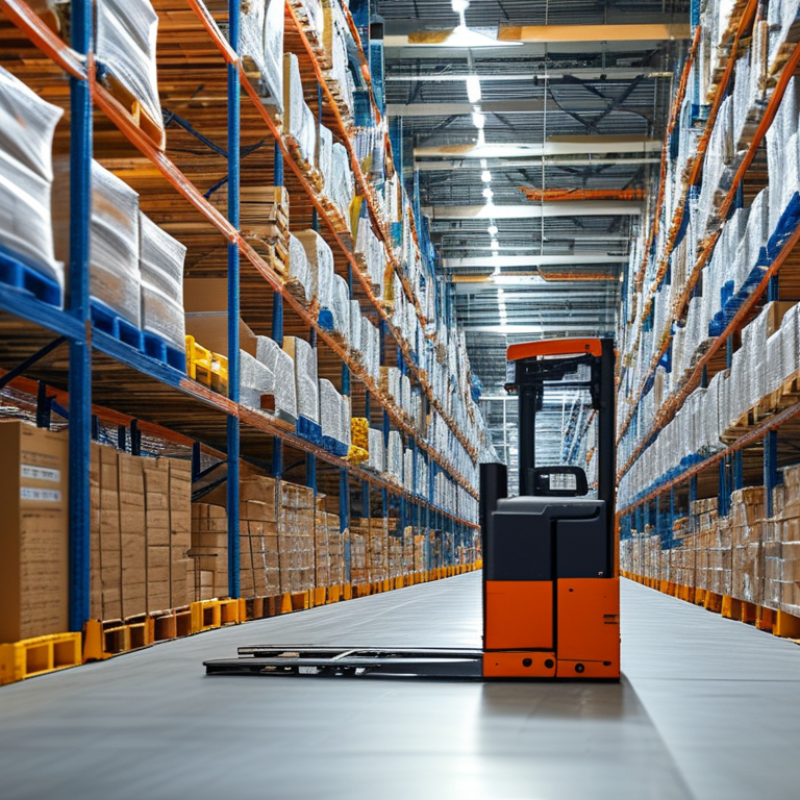
2026 Best Pallet Flow Storage Solutions for Efficient Warehousing?

Benefits of Pallet Flow Storage Systems in Modern Warehousing

Pallet flow storage systems provide significant advantages for modern warehousing. These systems enhance space utilization by allowing for a first-in, first-out (FIFO) inventory approach. According to industry reports, companies can increase storage density by up to 60% when employing pallet flow solutions. This optimization is crucial in today's fast-paced supply chains, where every square foot matters.

Efficiency is another key benefit. With gravity-driven flow racks, products glide smoothly from the loading side to the picking side. Research shows that this can reduce picking time by 30%. Employees can quickly access items while minimizing the risk of injury. However, implementing these systems is not without challenges. Proper training is essential to avoid accidents and ensure that workers understand system mechanics.

Maintaining the integrity of the pallet flow system is vital too. Regular inspections are necessary to prevent breakdowns. Experts recommend scheduling maintenance every six months to ensure consistent performance. By addressing these potential flaws, warehouses can exploit the full benefits of pallet flow storage, driving both efficiency and safety.

Key Features to Look for in Pallet Flow Storage Solutions

Pallet flow storage solutions can dramatically improve warehousing efficiency. When selecting a system, consider key features that enhance functionality and usability. A well-designed pallet flow rack allows easy access to products. This saves time and reduces errors during picking.

Capacity is crucial. Evaluate how much weight and volume the racks can hold. It should support your inventory needs without compromising stability. Choose racks with adjustable features. This flexibility allows you to adapt as your product range evolves.

Tips: Always check for high-quality rollers to ensure a smooth flow of pallets. Look for systems with good spacing to avoid congestion.

Safety features cannot be overlooked. Ensure the design includes protective barriers. These help prevent accidents and maintain a secure environment. Regular maintenance is essential, too. It prolongs the system's lifespan and efficiency.

Remember to consider the ease of assembly and disassembly. Complex setups can cause delays during implementation. A straightforward installation process can save valuable time and resources in the long run.

Types of Pallet Flow Systems and Their Applications in Warehousing

Pallet flow systems have revolutionized warehousing. These systems use gravity to move pallets along inclined tracks. They suit various applications, enhancing efficiency and optimizing space.

Different types of pallet flow systems cater to specific needs. Case flow systems work well for high-volume, low-sku items. They allow for quick access and smooth product rotation. This system is often used in retail settings. In contrast, dynamic storage systems are ideal for seasonal products. They can quickly adapt to changing demands.

Implementing these systems requires careful planning. Storage capacities and workflow should be evaluated. Space constraints may complicate installation. Additionally, employees need training for optimal usage. Mistakes in setup can lead to inefficiencies. Regular assessments help ensure ongoing effectiveness.

Best Practices for Implementing Pallet Flow Storage Solutions

Implementing pallet flow storage solutions can significantly enhance warehousing efficiency. According to industry reports, companies can increase their storage density by up to 40% when using these systems. This method reduces the time workers spend retrieving items. Efficient designs optimize both space and workflow.

Tip: Ensure your layout allows for easy access to products. Consider using a first-in, first-out (FIFO) system. This minimizes waste and maximizes freshness for perishable goods.

However, not all pallet flow systems are created equal. Some designs may lead to bottlenecks. Frequent product changes can also complicate the setup. Regular assessments of your system’s efficiency can reveal areas needing improvement. Industry data shows that 30% of warehouses do not fully utilize their storage capabilities.

Tip: Regular employee training is key. Workers should understand how to operate and maintain the system properly. Keeping the team informed prevents accidents and ensures smooth operation.

Adopting pallet flow storage requires careful planning, analysis, and ongoing adjustments. While the benefits can be significant, recognizing and addressing potential pitfalls is crucial for long-term success.

2026 Best Pallet Flow Storage Solutions for Efficient Warehousing

Future Trends in Pallet Flow Storage Technology and Innovations

The future of pallet flow storage systems looks promising, driven by advancements in technology. As warehouses demand higher efficiency, innovations are emerging. For instance, automated pallet flow systems can reduce retrieval times by up to 30%. Such improvements can lead to significant cost savings.

Recent reports indicate that nearly 75% of logistics companies plan to invest in smart warehousing by 2026. With the rise of IoT, smart sensors will monitor inventory levels in real time. This helps prevent stockouts and overstock situations. The need for accuracy is vital; even a small mistake can lead to substantial losses.

Sustainability is another key trend. Reports show that eco-friendly materials and energy-efficient designs are on the rise. However, transitioning to greener options may come with challenges. Many companies struggle with up-front costs. Balancing efficiency with environmental responsibility may require innovative thinking.

2026 Best Pallet Flow Storage Solutions for Efficient Warehousing

Feature Description Benefits Future Trends
Dynamic Slotting Automated adjustment of pallet locations based on demand. Increased picking efficiency and reduced travel time. Integration with AI for real-time demand forecasting.
Modular Construction Flexible storage solutions that can be easily expanded. Scalable to meet changing inventory levels. Innovations in materials to enhance durability and reduce weight.
Automated Guided Vehicles (AGVs) Robotic systems for transporting pallets in the warehouse. Reduced labor costs and improved safety. Enhanced navigation systems using LIDAR and AI.
Advanced Tracking Systems Real-time tracking of pallet flow using RFID technology. Improved inventory accuracy and loss prevention. Integration with IoT for predictive analytics.
Ergonomic Design Workstations and tools designed to minimize strain. Enhanced worker productivity and satisfaction. Incorporating biofeedback mechanisms for adjustable ergonomics.

FAQS

: What are the main benefits of pallet flow storage systems?

: Pallet flow storage systems enhance space utilization and improve inventory management through a first-in, first-out approach.

How much can storage density increase with pallet flow solutions?

Companies can increase storage density by up to 60% by using pallet flow systems effectively.

How do pallet flow systems enhance efficiency in warehousing?

They allow products to glide smoothly, which can reduce picking time by 30% and minimize injury risks.

What are some challenges associated with implementing pallet flow systems?

Challenges include the need for proper training and regular inspections to maintain system integrity and prevent accidents.

How often should pallet flow systems be inspected?

Regular inspections every six months are recommended to ensure consistent performance and prevent breakdowns.

How do different types of pallet flow systems cater to specific needs?

Case flow systems are great for high-volume items, while dynamic storage systems suit seasonal products and changing demands.

Why is layout important when implementing pallet flow storage solutions?

A well-planned layout allows easy access to products, optimizing both space and workflow efficiency.

How can frequent product changes affect pallet flow systems?

Frequent changes can complicate the setup, potentially leading to inefficiencies in storage utilization.

What role does employee training play in using pallet flow systems?

Regular training ensures workers operate the system properly, preventing accidents and promoting smooth operations.

What should warehouses do to address potential pitfalls of pallet flow systems?

Ongoing assessments and adjustments are crucial to recognize issues and maintain long-term efficiency.

Conclusion

Pallet Flow Storage systems have become essential in modern warehousing due to their ability to enhance efficiency and maximize space utilization. These systems operate on a first-in, first-out (FIFO) principle, which helps streamline inventory management and reduce product retrieval times. Key features to look for in Pallet Flow Storage solutions include adjustable lane configurations, robust materials for durability, and compatibility with various pallet sizes.

Different types of Pallet Flow systems cater to specific warehouse needs, such as gravity-fed systems for small to medium-sized operations and heavier-duty systems for large-scale distribution centers. Implementing best practices, such as proper training for staff and regular maintenance, can further optimize these storage solutions. As technology evolves, future trends indicate advancements in automation and smart inventory management, which will continue to transform Pallet Flow Storage and enhance operational efficiencies.

Liam

Liam

Liam is a dedicated marketing professional with a profound expertise in the industry, where he excels at highlighting the unique advantages of our core products. With a keen understanding of market trends and consumer needs, Liam frequently updates our company’s professional blog, providing......