When it comes to finding the right heavy duty storage solutions, clarity is key. Many factors influence this choice. Assessing your needs is crucial. Do you require modular shelving or robust cabinets? These decisions depend on your space and items.
Heavy duty storage can endure significant weight and frequent use. You might consider materials like steel for durability. Calculating the weight capacity is essential to avoid overstressing your storage systems. Sometimes, it’s easy to underestimate what is necessary.
However, it's not always straightforward. You may find that some solutions look strong but fail under pressure. Reviews and specifications can provide valuable insights. Reflect on your needs carefully. This will ensure you avoid costly mistakes. Heavy duty storage must not only hold your items but also provide long-term reliability.
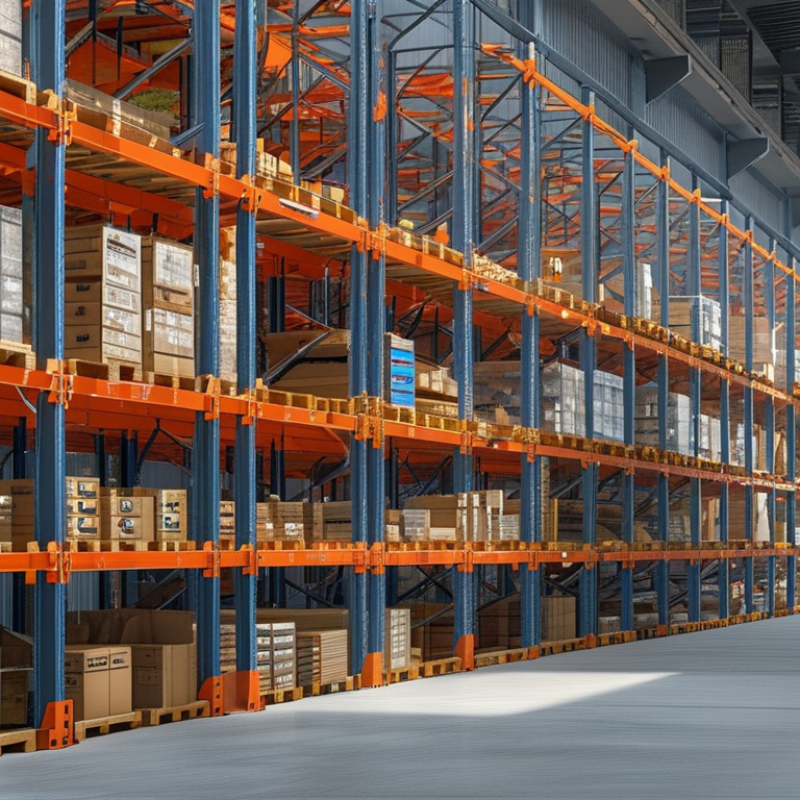
Identifying specific storage needs is crucial before selecting heavy-duty storage solutions. Consider the items you plan to store. Are they bulky tools, boxes of inventory, or equipment? Understanding the dimensions and weight of these items will guide your selection process. For instance, a small garage might not accommodate large shelving units. It’s essential to take accurate measurements of your space. Every inch counts when dealing with limited storage.
Space constraints can significantly influence your choices. High ceilings might allow for vertical storage, while narrow spaces could require slotted shelving. Visualizing the layout you want helps in identifying what type of storage will work best. Reflect on your workflow and access needs. You may realize that drawer systems provide better organization than open shelving. If possible, sketch your storage area. This simple step can reveal hidden challenges or opportunities for efficiency. Remember, the goal is to create a functional space that meets your needs, even if it requires some trial and error.
When evaluating heavy-duty storage solutions, consider several essential factors. Heavy-duty shelving units are optimal for warehouses and garages. They can support significant weight. According to a recent industry report, well-constructed shelving can hold between 800 to 2,500 pounds per shelf. This capacity is crucial for businesses dealing with bulk supplies.
Another option is heavy-duty racks, ideal for larger items. These racks offer adjustable height and width. Statistics show they can increase storage efficiency by 30%, maximizing space utilization. However, installation requires careful planning, which can be a challenge for some. Improper setup may lead to safety hazards or even accidents.
Mobile storage units are another option, offering flexibility. They can be moved as needed, optimizing space. A survey indicates that companies utilizing mobile solutions reduce time spent searching for items by up to 25%. Yet, these systems can be costly and require regular maintenance. Evaluating these factors will help ensure the chosen solution meets specific needs efficiently.
When choosing heavy-duty storage solutions, load capacity and durability are key factors. Understanding the weight limits is crucial to ensure safety and functionality. It’s important to evaluate the items you intend to store. For instance, if you’re storing tools or machinery, consider their combined weight. A storage unit with inadequate capacity could lead to accidents. Always allow for a bit of extra capacity for unforeseen additions.
Durability is another critical aspect. Look for materials that withstand everyday wear and tear. Steel or reinforced plastic often offers better performance than standard options. However, it's easy to overlook factors like environmental conditions. If your storage will be exposed to moisture, consider rust-resistant finishes. Reflecting on previous experiences can be beneficial. Have your storage solutions met expectations in the past? Addressing these details can significantly influence your choices. Analytics and user feedback indicate that a thoughtful approach leads to better long-term satisfaction.
When looking for heavy-duty storage solutions, evaluating your budget is crucial. Begin by determining how much you are willing to spend. Heavy-duty options can vary widely in price. High-quality materials often cost more but provide better durability. Price often reflects the strength and longevity of the item.
Consider the cost-effectiveness of each option. Analyze the trade-offs between initial investment and long-term benefits. It may be tempting to go for the cheapest choice, but this can lead to higher costs over time. Frequent replacements can add up quickly. Take time to compare similar products and their features. Look for warranties or guarantees; they can indicate reliability.
Be mindful of hidden costs. Some storage solutions may require additional accessories or tools. These can inflate your overall budget unexpectedly. Ask yourself if the solution meets your specific needs. Identify what you truly want from your storage system. This reflection may lead to better choices, ultimately balancing quality and affordability.
| Storage Solution | Capacity (lbs) | Cost ($) | Material | Durability Rating (Years) | Cost-Effectiveness Rating (1-5) |
|---|---|---|---|---|---|
| Metal Shelving Unit | 2000 | 250 | Steel | 10 | 5 |
| Plastic Storage Container | 500 | 50 | Polyethylene | 5 | 4 |
| Wooden Pallet Rack | 1500 | 200 | Wood | 7 | 4 |
| Heavy Duty Storage Cart | 800 | 150 | Metal | 8 | 5 |
| Fireproof File Cabinet | 600 | 300 | Steel | 15 | 4 |
When selecting heavy-duty storage solutions, considering installation and maintenance is crucial. A well-installed system ensures durability and efficiency. Take time to assess the space. Measure correctly to avoid costly mistakes. Using the right tools will make the process smoother and safer.
Tips: Choose a level surface for installation. This step improves the stability of your storage unit. If possible, enlist a professional for complex setups. Professional help can prevent future issues.
Regular maintenance is essential for longevity. Periodically check for signs of wear and tear. This includes rust, damage, and structural integrity. Small issues can escalate if ignored. Allocate time each month for inspections.
Tips: Create a maintenance schedule. Consistent checks prevent serious problems. Keep a toolkit handy for quick repairs. Being proactive saves time and money in the long run.
: Determine the items you plan to store. Measure their dimensions and weight for better guidance.
Space limitations can dictate the types of storage you can use. High ceilings allow for vertical solutions.
Yes, sketching can reveal hidden challenges or improvements. It helps visualize the layout effectively.
Proper installation is crucial for durability. Missteps during installation can lead to future problems.
Regular inspections for wear and rust are essential. Small issues must be addressed before they escalate.
Monthly checks are recommended to ensure long-term functionality. This practice can prevent serious issues.
Enlisting professional help can simplify complex setups. It reduces the risk of future complications.
Using the right tools is important. They ensure a smoother and safer installation process.
Create a maintenance schedule and keep a toolkit handy. Being proactive can save time and money.
Be flexible and willing to adapt your storage solutions. Test and adjust as necessary for efficiency.
When selecting heavy duty storage solutions, it's essential to begin by identifying your specific storage needs and any spatial constraints you may have. Understanding what you need to store will help you evaluate the various types of heavy duty storage options available, such as shelving units, racks, or cabinets. You should also consider the load capacity and durability requirements to ensure that the chosen solutions can support your items over time.
Furthermore, budget plays a critical role in decision-making. Assessing the cost-effectiveness of each option will help you find a solution that meets your needs without overspending. Lastly, it’s important to explore installation and maintenance factors to ensure long-term usability. By following these guidelines, you can effectively choose the right heavy duty storage solutions that will meet your needs and provide reliable support for your storage challenges.

Maobang Storage