How to Choose the Best Storage Solutions for Your Business?

Time:2026-11-21 Author:Amelia
0%

Choosing the right Storage Solutions can shape how smoothly a business operates each day. A crowded stockroom slows picking. Poorly placed shelving wastes floor space. And a system that cannot adapt may become costly as inventory changes. The best choice depends on what you store, how often items move, and how much room your team can use.

This guide compares practical options, from adjustable shelving to pallet racks and modular units. It also considers access, capacity, safety, installation, and future growth. Measure the space before comparing products. Note ceiling height, doorway widths, floor condition, and the path workers take between tasks. Small details matter.

A verified expert quotation was not provided, so no words are falsely attributed here. Insert a sourced quotation from a named storage-industry expert before publication. A useful guiding question is simple: “Will this system make everyday work easier, safer, and more reliable?” Not every business needs the largest system. Sometimes a basic layout works better. Still, assumptions deserve a second look. Review actual inventory and workflow data before deciding, then compare the expected benefits with the full cost of ownership.
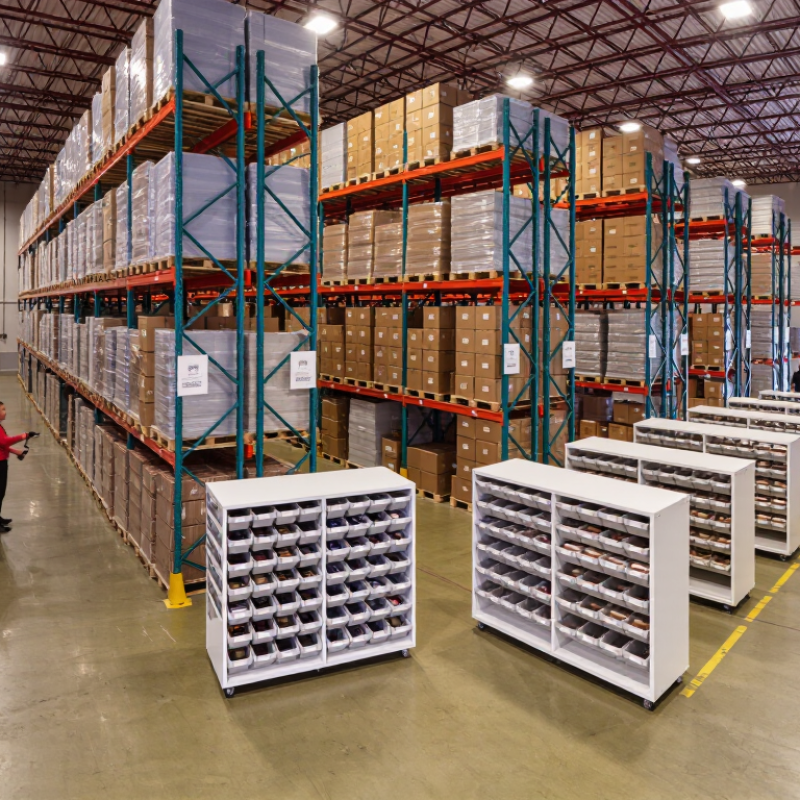
How to Choose the Best Storage Solutions for Your Business?

Assess Your Business’s Storage Needs and Operational Requirements

Assess storage needs from actual work, not floor area alone. Count each item, measure cartons and pallets, and record how often staff access them. Note seasonal peaks, fragile goods, temperature needs, and items that must remain near packing stations. Walk the route from receiving to dispatch. A blocked aisle can cost more time than a full rack.

Include operational limits in the assessment: ceiling height, floor capacity, equipment turning space, and safe access for replenishment. The 2024 MHI Annual Industry Report found that 55% of surveyed supply chain leaders expected to increase technology investment. That signals a need to consider how storage choices will work with inventory systems and automation, even if those upgrades are not immediate. Keep the setup adaptable.

Use a few weeks of order and replenishment records to map fast-moving items against slow stock. Then compare the space each option saves with the time it adds to picking. A dense layout may look efficient on paper. It can slow workers if frequently used goods sit out of reach. Check assumptions with the people who move stock daily; the first estimate may be wrong. That is useful to discover early.

Compare Storage Types, Locations, and Access Methods

How to Choose the Best Storage Solutions for Your Business?

Compare storage types before comparing prices. Self-storage suits small, frequently accessed stock, while shared warehouses offer staff and handling support. Dedicated space gives larger operations more control, but brings fixed costs. The right fit depends on item size, turnover, and handling needs. A pallet of seasonal goods needs different space from cartons picked daily. Convenient, but not always economical. The 2024 State of Logistics Report by CSCMP estimated U.S. business logistics costs at $2.3 trillion in 2023, or 8.7% of GDP. That figure is a reminder: storage decisions affect more than rent.

Location shapes delivery time and labor. A site near customers can speed up local orders; a cheaper, distant facility may add transport costs. Compare staffed access, scheduled appointments, and 24-hour entry. Check vehicle access, loading docks, security procedures, and whether you can retrieve individual items without notice. MHI’s 2024 Annual Industry Report found 55% of respondents planned to increase investment in supply-chain innovation. Digital inventory tools may help, but only if staff keep records current. A spreadsheet can still miss a box.

Tips: List what you store, how often you need it, and who needs access. Ask for the full fee schedule, then test a sample retrieval. Measure twice. Review the choice after a busy season; your original assumptions may be off.

Evaluate Security, Reliability, and Regulatory Requirements

How to Choose the Best Storage Solutions for Your Business?

A storage system should protect information and keep daily work moving. Start by sorting files by sensitivity, access needs, and recovery importance. A payroll record and a public product image do not need identical controls. Check who can open, change, or export each file. Strong access controls help, but they can also slow staff if permissions are poorly planned. Test the setup with real users before moving everything.

Tips: Ask providers how they encrypt data, record access, and restore files after an outage. Request a recovery test, not just a promise. Keep a written record of the answers.

Reliability means more than uptime claims. Ask how often backups run, where copies are stored, and how quickly service can be restored. Try restoring a small folder; a backup that cannot be recovered is only reassurance. No checklist catches every edge case. Review regulatory requirements that apply to your industry, location, and data types, including retention and data residency rules. Requirements can change, so confirm them with qualified advisers rather than relying on a vendor’s general assurances. Document the decision, review access regularly, and revisit the plan when your business or obligations change.

Calculate Total Costs and Future Capacity Needs

A storage quote rarely shows the full cost. Include purchase or rental fees, delivery, installation, maintenance, energy, and software. Check whether the floor needs reinforcement or staff need training. Even a small monthly service charge adds up over several years. Estimate downtime during installation, too; moving stock can interrupt daily orders. Compare options over the same period, such as five years, rather than judging by the initial price alone.

Next, measure usable capacity, not just the system’s advertised maximum. Record current stock volume, seasonal peaks, and the space needed for aisles or safe access. Then estimate growth from actual sales or inventory records. A forecast is still a guess. Review it every few months, especially after a new product launch or a change in demand. I would leave room for expansion, but not so much that empty space drains the budget. That balance is easy to misjudge.

Tips: Add installation and operating costs to your comparison sheet. Note the date and assumptions behind each estimate. Small details matter. Ask suppliers for capacity figures in writing, and revisit your numbers when stock patterns change.

How to Choose the Best Storage Solutions for Your Business? — Calculate Total Costs and Future Capacity Needs

Illustrative five-year planning comparison for a business starting with 100 TB of data. Costs are modeled estimates, not vendor quotes.

How to read this: The model assumes 20% annual data growth. After five years, 100 TB grows to about 249 TB; allowing roughly 20% headroom gives a target of about 300 TB. Compare total cost of ownership—including hardware or storage fees, support, power, administration, and data retrieval or transfer charges—against your own growth forecast and workload needs.

Select a Provider and Plan Implementation and Review

Choosing a storage provider starts with the work your team actually does. Ask how quickly staff can retrieve large files, restore deleted data, and get help during an outage. Request written details on availability, backup frequency, access controls, and support hours. Check whether the provider can meet your growth needs without forcing a disruptive change. Small print matters. Compare the full cost, including data transfer and recovery fees, rather than only the monthly rate.

Before moving everything, run a pilot with a limited set of files. Include ordinary documents and a few large, frequently used files. Test the restore. Confirm that permissions work as intended for each role, and keep a record of migration errors. A common planning mistake is assuming that a successful upload means a successful migration. Verify file counts, sample contents, and access with the people who use them. The first schedule may be too optimistic; leave room for rework.

After launch, review performance with clear measures, such as retrieval time, restore-test results, support response, and storage growth. Ask staff what slows them down, not just whether the system is online. Review access lists and backup settings on a regular schedule, especially after team changes. If the provider’s service or costs no longer fit, document an exit plan and test how data can be exported. That detail is easy to postpone.

FAQS

Which storage option suits frequently accessed stock?

Self-storage can suit small items that staff retrieve often. It may be less practical for large pallets.

When is a shared warehouse useful?

It can provide staff support and help with handling. Ask how retrieval works before choosing.

What does dedicated storage offer?

Dedicated space gives larger operations more control, but usually brings fixed costs. Worth it? Not always.

How does location affect storage costs?

A nearby site may shorten delivery times. A distant, cheaper facility can add transport costs.

What access details should I check?

Check opening hours, appointments, vehicle access, loading docks, and security procedures. Test a sample retrieval.

What costs belong in a storage comparison?

Include rent or purchase fees, delivery, installation, maintenance, energy, software, and staff training. Small charges add up.

How much capacity should I plan for?

Measure current stock, seasonal peaks, aisles, and safe access. Leave some room for growth, but not too much.

How can I keep inventory records useful?

Update digital records whenever stock moves. A spreadsheet can still miss a box.

When should I review my storage choice?

Recheck it after a busy season or product launch. Your original assumptions may be off.

Conclusion

Choosing the right Storage Solutions begins with a clear understanding of what your business needs to store, how much space is required, and how frequently staff must access items. Compare options such as on-site, off-site, and digital storage based on location, accessibility, and how well each fits your daily operations. Consider the level of protection and reliability required, along with any relevant recordkeeping or industry requirements.

Before making a decision, calculate the full cost, including setup, ongoing fees, transport, and potential service needs. Allow for future growth so your storage arrangement can adapt as inventory, records, or operations change. Once you have compared providers and confirmed that their services meet your practical requirements, plan the transition carefully. Assign responsibilities, organize and label stored materials, and establish procedures for access and review. Regularly reassess capacity, costs, and performance to ensure your solution continues to support the business.

Amelia

Amelia

Amelia is a seasoned marketing professional with a wealth of expertise in our company’s core offerings. With an unwavering passion for driving growth and innovation, she plays a pivotal role in shaping our marketing strategies and enhancing brand visibility. A key aspect of her responsibilities......