How to Choose the Best Vertical Racks in 2026?

Time:2026-11-14 Author:Henry
0%

Choosing the right Vertical Racks in 2026 is not just a matter of comparing prices or counting storage levels. The right system should fit the products, equipment, and work patterns it will serve. A rack designed for long timber may be unsuitable for sheet goods or narrow warehouse aisles. Small mismatches become daily obstacles.

Vertical-rack specialist Daniel Mercer offers a practical rule: “Measure the load, the handling path, and the space around the rack before comparing designs.” That guidance is useful because usable capacity depends on more than a product’s advertised dimensions. Buyers should check load ratings, rack height, floor space, aisle clearance, access methods, and any installation requirements. Ask suppliers for clear specifications, and confirm that those specifications match the actual materials being stored. Details matter.

The best choice also considers what may change next year: product sizes, order volumes, or handling equipment. Compare material durability and finish with the storage environment, especially where dust, moisture, or frequent contact could affect performance. Request drawings and written load information, then have a qualified professional review the proposed layout before purchase. This step can expose a tight turning area or an awkward picking height. Easy to miss.

There is no single rack that suits every facility, and a neat showroom layout may not reflect a busy shift. Measure on site, involve the people who handle the loads, and leave room to question your first plan. A little hesitation can prevent a costly mismatch.
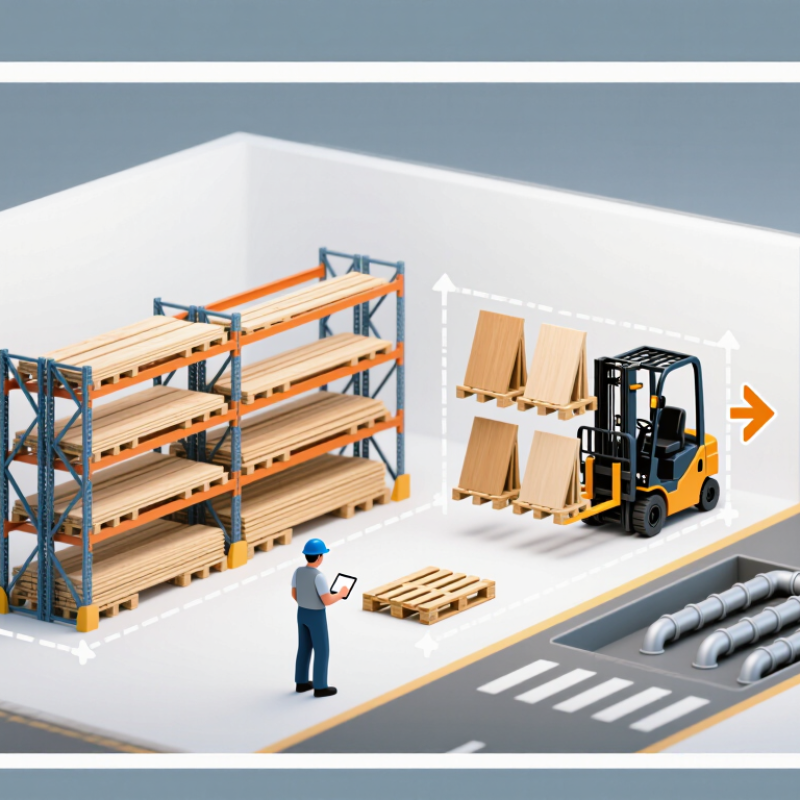
How to Choose the Best Vertical Racks in 2026?

Understanding Vertical Rack Types and Their Uses

Selective pallet racks suit warehouses handling many product types, because each pallet remains directly accessible. They work well when order patterns change often. Drive-in racks trade access for density; forklifts enter the lanes, making them useful for large batches of similar goods. Push-back systems store pallets several deep, while gravity-flow racks move stock toward the picking face. Space is costly. Yet dense storage can slow retrieval if product turnover is mixed.

Cantilever racks hold long, awkward items such as timber, pipe, or sheet material without front posts blocking access. Vertical lift modules and carousel systems bring small parts to an operator, reducing floor-level searching. They can help facilities with limited floor space, but need suitable controls and maintenance. MHI’s 2024 Annual Industry Report found that 55% of surveyed organizations planned to increase supply-chain technology investment. That figure signals growing interest in automation; it does not prove that automated racks suit every site. Measure aisle width, load dimensions, pallet weight, picking frequency, and ceiling clearance before choosing. A slightly imperfect fit is common when teams plan around peak capacity alone. Test the layout against everyday replenishment and safe forklift movement, too.

Assessing Space, Load Capacity, and Storage Needs

Choosing vertical racks starts with the usable envelope, not the ceiling height alone. Measure beams, sprinklers, lights, columns, and the turning space needed for handling equipment. Sketch a loaded aisle, then check whether a pallet or long item can enter without awkward repositioning. Small clearance errors become daily delays.

Capacity needs a careful calculation. Record the heaviest load, its dimensions, and how weight sits across each shelf or arm. Include pallets, containers, and unevenly distributed materials. Compare these figures with the rack’s engineered ratings; never estimate capacity from appearance. OSHA’s materials-handling rule, 29 CFR 1910.176(b), requires stored materials to remain stable and secure against sliding or collapse. A tidy installation can still be overloaded.

Match rack type to the items and the pace of retrieval. Long stock needs supported arms; boxed inventory may suit shelves with clear labels and accessible picking faces. MHI’s 2024 Annual Industry Report found 55% of surveyed supply-chain leaders expected disruptions to increase over five years. That uncertainty favors layouts that can adapt, but flexibility is not free: adjustable bays may sacrifice some capacity. Review actual inventory records before choosing. An imperfect forecast is still better than guessing.

Comparing Materials, Safety Features, and 2026 Technologies

How to Choose the Best Vertical Racks in 2026?
Comparing Materials, Safety Features, and 2026 Technologies

Choosing a vertical rack starts with the load, the room, and the daily routine. Steel suits heavy, frequent use, but its finish matters in damp or dusty spaces. Aluminum is lighter and easier to reposition, though it may not suit every high-load setup. Check the rated capacity for each shelf, not just the total frame. A wobbly upright on an uneven floor is a warning, not a minor annoyance. Measure ceiling clearance, aisle width, and the longest item before ordering.

Tips: Look for clear load labels, secure locking pins, and compatible floor anchors. Keep heavier items low. Recheck connections after moving a rack, and avoid guessing when a capacity label is missing.

In 2026, some systems add digital inventory tools, QR labels, or sensors that flag shifting loads. These features can help teams find stored items and notice changes sooner, but they do not replace inspections. Ask what a sensor measures, how it signals a problem, and whether it needs regular calibration. A basic rack may be the better choice if staff will not maintain its software. I would compare the technology with the real workflow, not the sales demo. Small details matter: a blocked label or dead battery can make a smart feature easy to overlook.

Evaluating Installation, Maintenance, and Total Cost

How to Choose the Best Vertical Racks in 2026?
Evaluating Installation, Maintenance, and Total Cost

Installation costs depend on more than the rack’s purchase price. Measure ceiling height, aisle width, door clearances, and the space needed to handle stored items. Check the floor condition and identify sprinklers, lights, pipes, or other overhead obstacles before approving a layout. Measure twice. A site visit can catch problems that a drawing misses. Ask for a written breakdown of delivery, assembly, anchoring, and any floor or layout preparation. Installation may also interrupt nearby work, so include that downtime in your comparison.

Maintenance is easier when workers can inspect connections and reach stored materials without awkward lifting. Look for accessible fasteners, clear load labels, and components that can be replaced individually. Dust, moisture, and frequent handling can affect upkeep needs, so match inspection intervals to the actual environment and usage. Keep a simple record of inspections and repairs. It need not be elaborate. Still, a checklist cannot compensate for rushed inspections, and that is an easy weakness to overlook.

Compare total cost over the period you expect to use the system, not just the initial quote. Include installation, routine checks, replacement parts, and likely changes in storage needs. A lower-priced option may require more labor or make future expansion difficult. Request assumptions behind each estimate, especially site preparation and service costs. Estimates are imperfect; mine would be too if the measurements were incomplete. Look closely at what each quote leaves out.

How to Choose the Best Vertical Racks in 2026? — Evaluating Installation, Maintenance, and Total Cost
Rack Type Typical Use Installation Considerations Maintenance Needs Relative Upfront Cost Total-Cost Factors Best Fit When
Freestanding vertical sheet rack Storing sheet goods, panels, doors, or other flat materials upright. Requires a level floor and adequate clearance for loading and removal. Check the rack’s rated capacity and whether anchoring is required by its design and site conditions. Inspect frames, dividers, fasteners, and contact surfaces for damage or wear. Keep loading within the manufacturer’s limits. Medium Compare purchase and assembly costs with usable capacity, floor-space use, and the cost of handling or damage to stored sheets. Materials need to remain upright and accessible, and a freestanding layout suits the available floor space.
A-frame vertical storage rack Organizing panels, glass, stone, or other sheet materials that need support while stored on edge. Needs a stable, level base and enough aisle space for safe loading. Confirm that the rack configuration and capacity suit the material dimensions and handling method. Check structural members, supports, restraints, and any protective pads. Replace worn contact materials where needed to help prevent surface damage. Medium to high Factor in capacity per rack, loading equipment, floor area, protective accessories, and the value of reducing material damage. Loads are heavy or fragile and require organized, supported storage with access from one or both sides.
Vertical bar or pipe rack Storing long stock such as bars, tubes, pipes, or molding in upright compartments. Plan for the length and weight of the stock, safe access, and stable support. Floor anchoring and installation details depend on the rack design and site requirements. Inspect dividers, supports, welds or connections, and restraints. Keep stock sorted and avoid overloading individual compartments. Low to medium Consider compartment capacity, sorting time, floor footprint, and whether the rack can accommodate the range of stock lengths used. Long materials need clear organization and workers need to retrieve individual items without moving a large stack.
Wall-mounted vertical rack Storing lighter panels, tools, or materials where floor space is limited. Requires a suitable wall structure and correctly specified anchors. Verify the wall and fastening method can support the intended loads; wall suitability should be assessed before installation. Check anchors, brackets, and supports for loosening, corrosion, or damage. Keep loads within the rated limits for the complete wall-and-rack assembly. Low to medium Include the cost of wall assessment, suitable anchors, installation labor, and any limits on capacity or future layout changes. Floor area is scarce, loads are appropriate for the wall system, and the storage position is convenient for retrieval.
Mobile vertical rack Storing panels or similar items when access to multiple storage positions is needed in a compact area. Requires a suitable floor, adequate operating clearance, and correct installation of the mobile base and rack system. Confirm load limits and operating procedures. Inspect wheels or rails, brakes or locking devices, moving parts, and rack structure. Keep tracks clear and follow the manufacturer’s inspection schedule. High Compare the higher purchase and installation cost with potential floor-space savings, maintenance of moving components, and operational downtime. Space is constrained and the access pattern justifies a mobile system with trained users and regular inspections.
Fixed vertical divider rack Storing smaller panels, boards, or sheets in separate upright bays. Typically requires assembly and a stable, level placement. Confirm bay widths, load ratings, and safe access for the material being stored. Check dividers, joints, and supports for damage. Keep each bay within its rated capacity and prevent materials from leaning into walkways. Low to medium Assess the cost per usable bay, flexibility for changing material sizes, and any space lost to fixed divider spacing. Materials are regularly handled by size or type and simple, fixed organization is more important than reconfigurability.
Evaluation guide: Relative cost levels are qualitative comparisons, not market quotations. Actual prices depend on dimensions, capacity, materials, accessories, delivery, installation, and local labor. Before purchase, verify the manufacturer’s load ratings, site and floor conditions, required clearances, applicable safety requirements, and the inspection and anchoring instructions for the specific rack.

Matching Rack Design to Your Workflow and Facility

How to Choose the Best Vertical Racks in 2026?
Matching Rack Design to Your Workflow and Facility

Vertical racks can free up floor space, but only when their layout fits the work around them. Start by tracing how materials move from delivery to storage, cutting, or assembly. If staff retrieve panels several times per shift, choose a rack with clear, direct access from the work area. Measure the largest items, too. A panel that barely fits can become awkward to handle.

Different materials call for different support. Sheet goods need stable contact points that limit bending, while long stock needs compartments that keep pieces sorted and easy to identify. Check the rack’s rated capacity against the actual loads, not a rough estimate. Measure twice. Also consider whether workers load items by hand or with a lift. The access method affects rack depth, spacing, and safe aisle clearance.

The facility matters just as much as the inventory. Note ceiling height, floor condition, doorways, traffic lanes, and nearby equipment before choosing a rack. A layout that looks efficient on paper may block a cart or force a tight turn in daily use. Walk the proposed route. Marking the footprint with tape can reveal problems early. Even then, the first arrangement may need adjustment; workflow changes, and storage plans rarely stay perfect for long.

How to Choose the Best Vertical Racks in 2026?

Matching Rack Design to Your Workflow and Facility

Planning scores use a 1–5 scale, where 5 indicates a stronger fit for that workflow criterion. They are comparative guidance, not measured industry benchmarks. Confirm load ratings, material dimensions, handling equipment, and required clearances before selecting a rack.

FAQS

What should I measure before choosing a vertical rack?

Measure usable ceiling height, beams, lights, sprinklers, columns, and doorways. Include turning space for carts or lifting equipment. Small clearance errors matter.

How can I check whether a rack has enough capacity?

Record each load’s weight, dimensions, and weight distribution. Compare these details with the rack’s rated capacity. Appearance is not a reliable guide.

Which rack design suits long materials?

Long stock usually needs supported arms and compartments that keep pieces sorted. Check that each item can be retrieved without awkward repositioning.

What should I consider when storing sheet materials?

Sheet goods need stable contact points to limit bending. Measure the largest panel and check that workers can handle it safely.

How do I know whether a rack fits my workflow?

Trace materials from delivery to storage, cutting, or assembly. Frequently handled items should have clear access near their work area. Walk the route.

Should I consider how workers load the rack?

Yes. Hand loading and lift-assisted loading require different access, depth, and spacing. Check aisle clearance, too.

How can I test a proposed layout before installation?

Mark the rack footprint with tape and move a cart through the planned route. A paper plan can miss a tight turn.

Is an adjustable rack always the best choice?

Not always. Adjustable bays can support changing inventory, but may reduce capacity. Review real inventory records before deciding. Forecasts can be imperfect.

Conclusion

Choosing the best Vertical Racks in 2026 starts with understanding the different rack types and the goods and workflows they are designed to support. Assess your available floor space, ceiling height, item dimensions, expected load capacity, and storage volume before comparing designs. These factors help determine whether a rack can make efficient use of your facility while keeping stored items accessible and organized.

Next, compare materials, stability, protective features, and technologies that may improve visibility or inventory management. Consider installation requirements, routine maintenance, durability, and total cost over the rack’s useful life—not just its purchase price. The right choice should fit your facility layout, handling equipment, and daily workflow, providing a practical balance of capacity, safety, flexibility, and long-term value.

Henry

Henry

Henry is a dedicated marketing professional with a profound expertise in the company's offerings. With years of experience in the industry, he possesses an impressive understanding of the market dynamics and consumer behaviors that drive success. Henry is committed to sharing his insights through......