In today's fast-paced supply chain landscape, the efficiency of storage solutions plays a crucial role. Multi-tier storage systems have emerged as a key strategy for optimizing inventory management. According to a recent report by Gartner, adopting multi-tier storage can reduce operational costs by up to 25%. This method allows businesses to utilize various storage types to match their inventory needs, balancing speed and costs effectively.
Many companies still grapple with outdated storage solutions. These systems often lead to inefficiencies that hinder overall supply chain agility. A survey by McKinsey revealed that organizations that implement multi-tier storage strategies experience a 30% increase in inventory turnover. However, the transition to these systems can be complex and requires careful planning.
The adoption of multi-tier storage solutions is not without its challenges. Each tier must be integrated seamlessly to realize its full potential. Companies must analyze their logistics and inventory data to determine the optimal configuration. While multi-tier storage offers numerous benefits, it demands significant investment and ongoing evaluation to ensure effectiveness. Crafting the right mix of storage solutions is an evolving process that requires constant reflection.
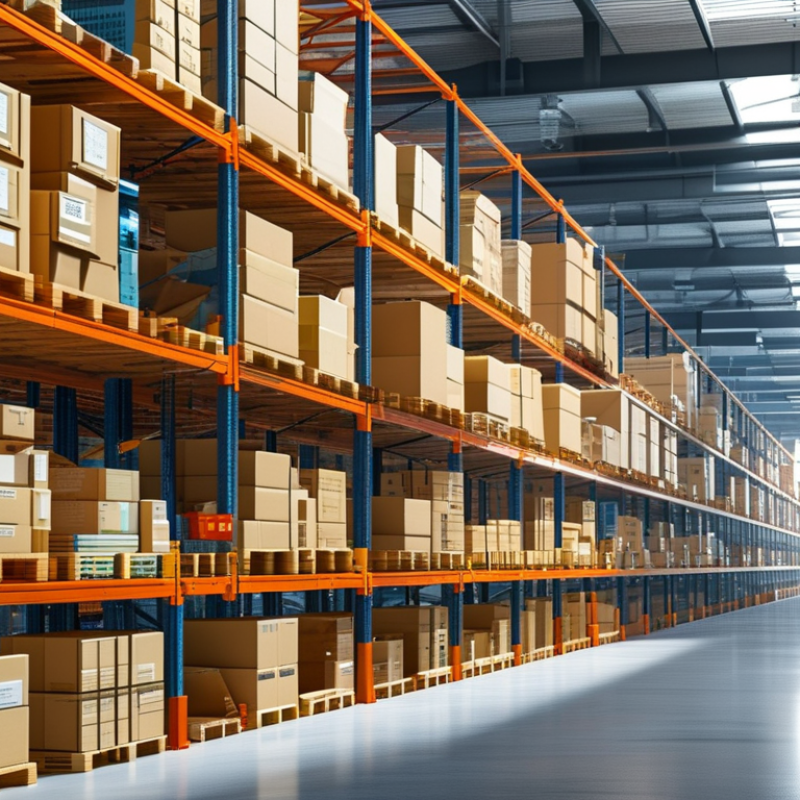
Understanding Multi-tier Storage in Supply Chain Management
Effective multi-tier storage solutions play a crucial role in optimizing supply chain management. According to a recent report by Deloitte, companies utilizing tiered storage strategies can reduce logistics costs by up to 20%. This significant reduction is achievable by aligning storage methods with the specific needs of each product tier, ensuring faster access and lower holding costs.
Multi-tier storage involves categorizing inventory based on its demand variability and storage characteristics. For example, high-volume products may benefit from quick-access storage options, while slow-moving items can be stored in less accessible locations. Research from the MIT Center for Transportation and Logistics highlights that 30% of inventory is often overstocked, indicating a need for better tiered inventory management.
However, implementing these strategies can be challenging. Not all companies have the infrastructure or technology to support a flexible multi-tier system. Companies must regularly assess their storage capabilities and ensure staff receives proper training. This ensures that all teams understand the strategic value of multi-tier storage for optimizing supply chain efficiency. Inadequate understanding can lead to mismatched inventory levels and potential losses.
Optimal Multi-tier Storage Solutions for Efficient Supply Chain
Benefits of Optimal Storage Solutions for Supply Chain Efficiency
Effective supply chain management hinges on optimal multi-tier storage solutions. A study by the Supply Chain Management Review reveals that 79% of organizations improve efficiency by enhancing their storage strategies. This statistic highlights the critical role storage solutions play in streamlining operations.
By using tiered storage, companies can reduce handling costs. Storing high-demand items near packing areas minimizes retrieval time. This strategic placement can cut down labor costs significantly, as distribution centers report up to a 30% reduction in order picking times. Yet, not all companies take advantage of these strategies. Many still rely on outdated storage systems, which leads to inefficiencies.
Emphasizing the need for modernization, a report from the Warehousing Education and Research Council indicates that 42% of warehouses plan to invest in new technologies. This shift is crucial. Companies must adapt to changing market demands. Those that ignore these shifts risk falling behind competitors. Reflecting on these trends, it becomes clear that the journey towards optimal storage is ongoing. Industries must continually innovate.
Key Factors for Implementing Multi-tier Storage Systems
Multi-tier storage systems offer a strategic approach to managing supply chain efficiencies. According to a recent report by Gartner, optimizing storage solutions can reduce logistics costs by up to 25%. Efficient space utilization is essential. Companies can lower overhead by using different storage tiers tailored to specific product requirements.
Key factors for implementing these systems include technology integration and employee training. Investing in automated storage and retrieval systems (AS/RS) enhances operational efficiency. However, only 23% of companies report effective utilization of these technologies, indicating that further improvements are necessary. Training staff to navigate these systems effectively is crucial. Proper training ensures fewer errors and maximizes these solutions' benefits.
Data accuracy is another factor. A study from Supply Chain Dive found that inaccurate inventory data can lead to a 20% increase in stockouts. Companies must prioritize real-time inventory tracking and data analysis. Poor data management can hinder decision-making and result in lost sales opportunities. Adopting a proactive approach to data integrity is essential for success in multi-tier storage.
Technological Innovations Enhancing Multi-tier Storage Effectiveness
In today's rapidly evolving supply chain landscape, technological innovations are paramount in enhancing multi-tier storage effectiveness. Companies are leveraging advancements in automation and data analytics to improve inventory management. A recent report by the Logistics Management Association states that firms utilizing these technologies have seen a 15% reduction in storage costs and a 25% increase in order accuracy.
Integrating IoT devices allows real-time tracking of goods across various storage tiers. For instance, RFID tags enable companies to monitor item flow, reducing stock discrepancies. According to a study by the Council of Supply Chain Management Professionals, businesses that implemented IoT solutions reported a 30% decrease in lost inventory incidents. However, the challenge remains in the initial setup and integration costs, which some companies find burdensome.
Moreover, warehouse automation through robotics is reshaping storage processes. Automated systems can increase picking efficiency by up to 40%. Yet, there are ongoing concerns about system reliability and workforce displacement. Hence, as companies embrace these innovations, a balance must be struck between technological integration and the human element of supply chain management.
Challenges and Solutions in Multi-tier Storage Integration
Integration of multi-tier storage solutions in supply chains presents significant challenges. One major issue is the complexity of data management. According to a recent industry report by Gartner, approximately 55% of companies struggle with data silos across multiple storage tiers. These silos hinder real-time visibility and lead to inefficiencies. Without cohesive data, teams cannot make informed decisions quickly, impacting inventory management and customer satisfaction.
Another challenge involves the variable performance of storage systems. Research from McKinsey indicates that up to 30% of fulfillment delays stem from inadequate storage optimization. Disparate storage types may result in latency, affecting the speed of order processing. Organizations must carefully assess their storage architecture to ensure it aligns with operational demands. While many companies invest in technology, the lack of integration can still undermine their efforts. A unified approach is necessary for maximizing the benefits of tiered storage.
Moreover, workforce training is often overlooked. About 40% of employees report insufficient knowledge of multi-tier systems, according to a report by Forrester. This gap can lead to subpar system utilization and costly mistakes. Fostering a culture of continuous learning is essential. Addressing these challenges with holistic strategies can enhance efficiency. However, reflection on past mistakes is crucial for future improvements. What worked yesterday may not serve today's needs.
FAQS
: They significantly improve efficiency, with 79% of organizations reporting enhanced performance.
Storing high-demand items near packing areas cuts retrieval time and lowers labor costs.
Many firms still use outdated systems, leading to inefficiencies and a competitive disadvantage.
Technology integration and employee training are crucial for maximizing operational efficiency.
Inaccurate inventory data can increase stockouts by 20%, hindering decision-making.
Data management complexity and variable performance across storage systems pose significant issues.
Insufficient knowledge can lead to suboptimal system utilization and costly mistakes.
They often lack integration, which undermines the efficiency of tiered storage solutions.
Inadequate optimization can contribute to up to 30% of fulfillment delays.
What worked yesterday may not fit today's evolving market demands.
Conclusion
The article explores the concept of Multi-tier Storage within supply chain management, emphasizing its significance in optimizing storage solutions. By understanding the various tiers of storage, businesses can leverage the benefits of increased efficiency and reduced costs in their supply chain operations. Optimal storage solutions are highlighted as pivotal in enhancing overall supply chain performance, while the discussion also delves into key factors necessary for implementing these systems effectively.
Additionally, technological innovations play a crucial role in enhancing the effectiveness of Multi-tier Storage, enabling businesses to meet evolving market demands. Challenges in integrating Multi-tier Storage systems are also addressed, with proposed solutions to mitigate these issues. Overall, the article emphasizes that adopting a well-structured Multi-tier Storage approach can lead to significant improvements in supply chain efficiency and operational performance.

 Maobang Storage