In today's fast-paced logistics environment, maximizing efficiency in Radio Shuttle Storage is essential. Industry expert Dr. James Anderson once said, "Efficiency is the key to unlocking the true potential of Radio Shuttle Storage." His insights highlight the importance of understanding how to optimize this storage solution effectively.
Radio Shuttle Storage systems are designed to enhance space utilization and improve retrieval speed. However, challenges arise, such as layout planning and maintenance. A well-planned Radio Shuttle Storage system can increase throughput significantly. Yet, many facilities overlook the importance of continuous monitoring and adjustments, leading to inefficiencies.
Implementing best practices requires a commitment to understanding technology and ongoing training. Investing in staff education can enhance the system’s operational efficiency. But the pursuit of optimization is an ongoing journey that requires reflection and adaptation to new challenges. Adopting a proactive approach can transform the potential drawbacks into opportunities for improvement within your Radio Shuttle Storage operations.
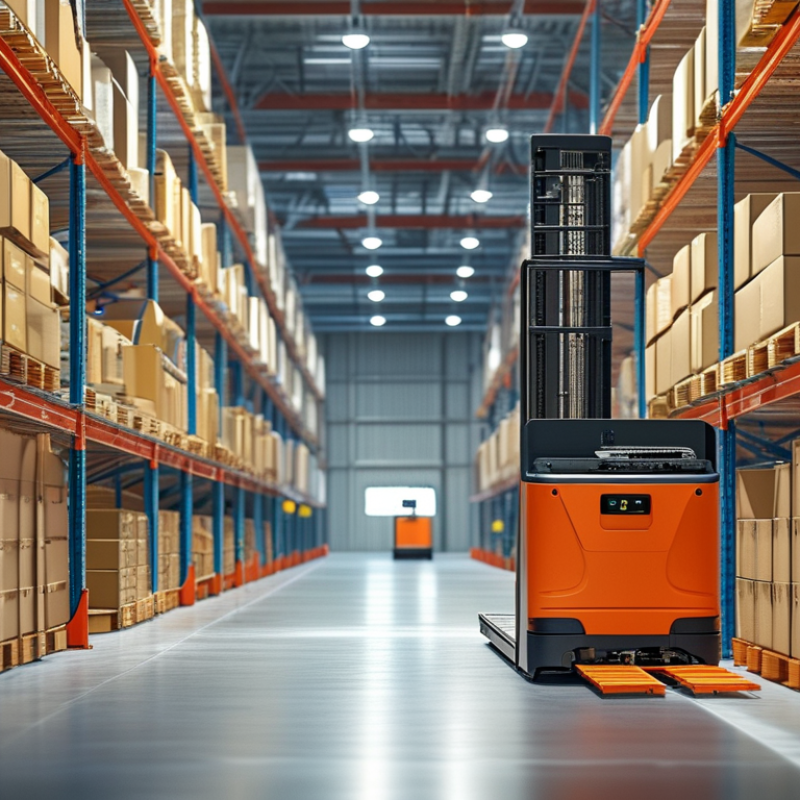
Radio shuttle storage systems have gained popularity in warehouses due to their efficiency. Understanding the basic principles is essential for optimal operation. These systems use a shuttle to handle pallets within an existing racking structure. This setup allows for high-density storage, maximizing space utilization.
One key aspect is the layout. A well-planned design is crucial for seamless operations. The aisles must be wide enough for the shuttles to maneuver effectively. If designed poorly, congestion can occur. This can lead to delays and inefficiencies. Operators should also consider load weights and the compatibility of racks. This ensures safety and reduces accidents.
Monitoring the system's performance is vital for improvement. Regular checks can help you identify bottlenecks. Data collection on pallet movements provides insights into areas needing adjustment. Sometimes the simplest changes can yield significant results. For example, re-evaluating the storage strategy might reveal underutilized spaces. It’s important to remain flexible and adapt systems as needs change.
This chart illustrates the storage efficiency achieved through various configurations of radio shuttle systems. The data is based on storage capacity utilization percentages, measured against different configurations.
When assessing your warehouse layout for optimal radio shuttle use, it is crucial to analyze the flow of goods. A well-structured layout minimizes travel time and maximizes the use of vertical space. Ensure that aisles are wide enough for shuttle systems. They should also be clearly marked to avoid confusion. Pay attention to the placement of receiving and shipping areas. They must be accessible yet separate to prevent congestion.
Consider the height and depth of your storage racks. Deep lanes may require advanced technology to retrieve products efficiently. Analyze product turnover rates. Frequently accessed items should be stored closer to the inbound area. This way, shuttles can operate smoothly without unnecessary delays. Display clear signage to direct operators to high-demand zones. Misguided paths can lead to inefficiencies.
Evaluate the training of staff operating the shuttle systems. Their understanding of the layout and equipment affects overall performance. Even minor mistakes can lead to significant backlogs. Reflect on how often issues arise from miscommunication or inadequate training. Regularly update procedures and layouts based on evolving inventory needs. This adaptability can enhance your warehouse's efficiency and streamline operations in the long run.
Implementing efficient loading and unloading procedures is crucial for optimizing radio shuttle storage. Properly designed processes can significantly reduce cycle times. Begin by establishing clear protocols for staging pallets before loading. This minimizes delays as items are prepared in advance. It's also wise to train staff comprehensively. Knowledgeable workers can quickly and effectively manage inventory, preventing bottlenecks.
Utilizing technology can streamline these procedures. Automated systems can guide loading and unloading, reducing human error. However, it’s essential to assess compatibility with existing operations. Over-reliance on tech can backfire if not integrated thoughtfully. Encourage feedback from staff to identify any gaps in the system. Continuous improvement requires adaptability. Highlight possible areas of frustration, as these insights can lead to better practices.
Consider the physical layout of your operations. Space should allow for smooth transitions between loading and unloading zones. Identify any obstacles that may slow down these processes. Regularly evaluate the workflow to pinpoint inefficiencies. Small changes can lead to significant gains in overall performance. Recognizing weaknesses within your system is a step towards enhancing efficiency and reliability.
| Aspect | Current Efficiency (%) | Optimized Efficiency (%) | Improvement (%) |
|---|---|---|---|
| Loading Time | 75 | 90 | 20 |
| Unloading Time | 70 | 85 | 21.43 |
| Space Utilization | 80 | 95 | 18.75 |
| Inventory Accuracy | 85 | 98 | 15.29 |
| Cycle Time | 60 | 75 | 25 |
Optimizing inventory management for radio shuttle operations can significantly enhance overall storage efficiency. A recent study indicated that efficient inventory practices could lead to a 20-30% reduction in storage costs. Radio shuttle systems, known for their space-saving capabilities, can help achieve this efficiency with the right management strategies.
Implementing a real-time inventory tracking system is essential. This allows for accurate monitoring of stock levels and reduces the chances of overstocking or stockouts. According to a report by the Warehousing Optimization Association, companies utilizing advanced inventory systems reported a 25% improvement in order fulfillment rates. Consider investing in automated solutions that integrate seamlessly with radio shuttle technology.
Tips: Regularly assess your storage layout. It’s crucial to adapt to changing inventory demands. Inadequate layouts can hinder performance and increase retrieval times.
Provide ongoing training for staff on the latest inventory practices. This helps in optimizing radio shuttle operations, ensuring staff can efficiently navigate the complexities of modern inventory management. Additionally, engaging with cross-functional teams can unveil opportunities for better stock management. Having diverse perspectives often highlights flaws in existing processes.
Regular maintenance practices are crucial for optimizing radio shuttle storage systems. Research indicates that consistent upkeep can enhance operational efficiency by as much as 20%. Regular inspections help identify wear and tear, minimizing unexpected breakdowns. A study from the Warehousing Education and Research Council suggests that businesses often overlook maintenance, leading to costly delays.
Incorporating routine maintenance schedules can prevent system inefficiencies. For instance, adjusting the shuttle's alignment can significantly reduce friction and wear on components. According to industry data, improperly maintained systems can experience up to 30% more downtime. Regularly lubricating moving parts not only extends lifespan but also ensures smooth operation. Yet, many facilities fail to track maintenance logs, making it challenging to anticipate issues before they arise.
Staff training on basic maintenance tasks can further enhance efficiency. Easy-to-follow guides can empower workers to perform daily checks. However, there is often resistance due to time constraints. This oversight can lead to serious repercussions, including safety hazards. Ultimately, maintaining a balance between productivity and system upkeep is essential for long-term efficacy in radio shuttle storage solutions.
: These systems handle pallets in racking structures, maximizing space utilization and efficiency.
A well-planned layout prevents congestion, ensuring smooth shuttle operations and minimizing delays.
Poor layout may cause traffic jams, leading to inefficiencies and potential safety hazards during operations.
Analyzing the flow of goods, aisle width, rack height, and accessibility of receiving and shipping areas is essential.
Well-trained operators reduce mistakes that can lead to delays and bottlenecks in the workflow.
Consistent maintenance can boost operational efficiency by up to 20% and reduce unexpected breakdowns.
Overlooking maintenance can lead to costly delays and increased downtime, often up to 30%.
Clear signage directs operators effectively, minimizing misguided paths and enhancing operational efficiency.
Inadequate training can lead to serious safety hazards and inefficiencies within the system.
Adapting to changes in inventory needs can significantly improve efficiency and streamline operations.
Optimizing Radio Shuttle Storage is essential for achieving maximum efficiency in warehouse operations. Understanding the basics of Radio Shuttle Storage Systems lays the foundation for effective implementation. Assessing your warehouse layout can significantly enhance the effectiveness of these systems, ensuring that space is utilized optimally.
Efficient loading and unloading procedures are crucial to streamline operations, while enhancing inventory management practices helps maintain accurate stock levels and improves tracking. Furthermore, regular maintenance of the Radio Shuttle systems ensures their reliability and effectiveness, minimizing downtime and prolonging their service life. Implementing these strategies collectively enhances productivity and operational efficiency in any warehousing environment.

Maobang Storage