As we approach 2026, the landscape of ASRS Systems is evolving rapidly. Automated Storage and Retrieval Systems are becoming crucial for businesses aiming to optimize efficiency. Choosing the right ASRS Systems can drastically improve warehouse management and operational flow. However, navigating the options can be overwhelming for buyers.
In 2026, buyers must consider various factors. These include system compatibility, scalability, and cost-effectiveness. Each decision impacts productivity and long-term success. Many companies face challenges when integrating new ASRS Systems into existing infrastructure. A clear understanding of needs is essential for effective implementation.
Buyers should also pay attention to emerging technologies within ASRS Systems. Innovations like AI and machine learning enhance automation capabilities. But with great potential comes the uncertainty of technology's reliability. Buyers need to weigh benefits against risks, ensuring they choose a system that aligns with their operational goals.
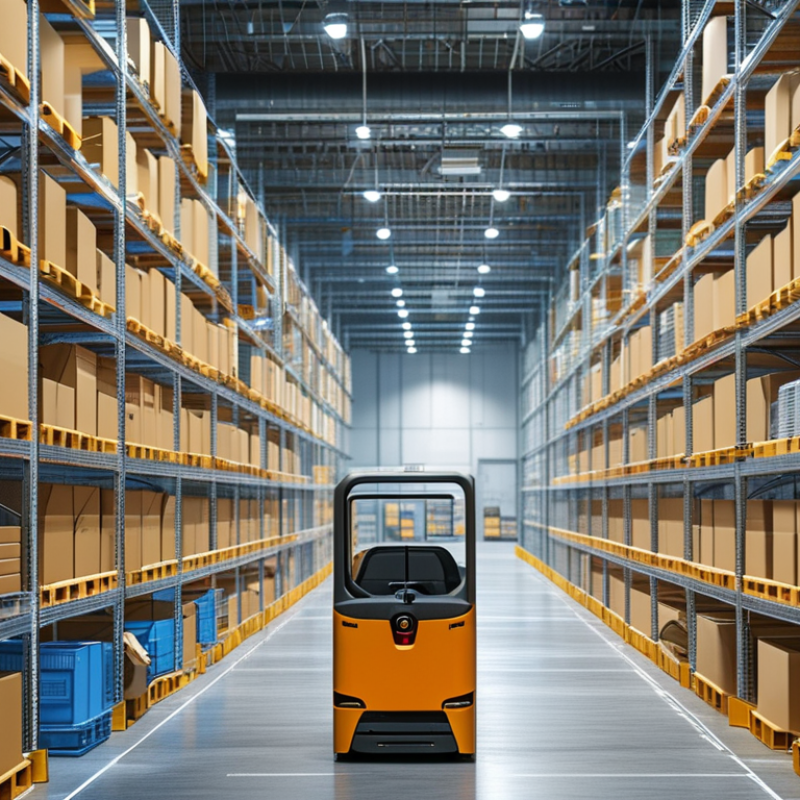
In 2026, Automated Storage and Retrieval Systems (ASRS) are set to transform warehouse operations. These systems will become essential for maximizing storage capacity and enhancing retrieval efficiency. Buyers should focus on systems that offer scalability and flexibility. As businesses grow, their storage needs change. A modular design allows for easy adjustments as requirements evolve.
Key features to look for include advanced inventory management and real-time tracking. These elements help reduce errors and improve order accuracy. Intelligent software solutions can integrate seamlessly with existing systems. This integration enhances overall productivity. However, potential buyers must reflect on their specific requirements. Systems that seem perfect may not fit every operational model or budget.
Investment in ASRS also raises questions about maintenance and training. Proper upkeep is crucial for smooth operations. Users must be equipped to handle system updates and troubleshooting. While the benefits of automation are clear, the complexities involved should not be overlooked. Making the right choice requires careful consideration of both immediate needs and long-term goals.
| System Type | Key Features | Handling Capacity (Items/hour) | Integration Capability | Typical Applications |
|---|---|---|---|---|
| Unit-Load ASRS | High-density storage, Automated retrieval, Energy-efficient | 800-1500 | WMS, ERP Systems | Manufacturing, Warehousing |
| Mini-Load ASRS | Versatile storage options, Fast retrieval times, Flexible layout | 600-1200 | WMS, Real-time Tracking | E-commerce, Retail |
| Shuttle ASRS | Dynamic storage, High-speed operation, Increased storage density | 1000-2000 | ERP, AI Integration | Food, Pharmaceuticals |
| Vertical Lift Module (VLM) | Space-efficient, Ergonomic access, Automatic inventory management | 300-800 | WMS, Inventory Control Systems | Small Parts Storage, Tools |
In 2026, understanding buyer needs for Automated Storage and Retrieval Systems (ASRS) is crucial. As warehouses evolve, more challenges arise. Buyers must recognize their specific operational goals. Efficient storage solutions vary widely. Some focus on speed, while others prioritize accuracy and flexibility. A clear understanding of needs drives better ASRS selection.
Buyers should analyze their current workflow. Are items moving swiftly? Is space utilization optimized? These questions reveal operational gaps. Buyers might overlook the importance of scalability. A growing business needs systems that adapt. Feedback from users plays a critical role. Engage teams in discussions about challenges they face. Their insights can guide purchases.
Reliability is non-negotiable. Systems must perform consistently under varying conditions. It's essential to examine vendors' track records. Past performance can indicate future reliability. Innovative features should not overshadow fundamental functionality. Budget constraints may lead to compromises. However, investing in quality can prevent future losses. A thorough risk assessment can illuminate potential pitfalls. Make decisions based on informed evaluations, not just flashy marketing.
The landscape of Automated Storage and Retrieval Systems (ASRS) is rapidly evolving in 2026. As logistics and warehousing face new challenges, several key market trends are shaping buyers' decisions. According to a recent report from Logistics Management, approximately 53% of companies are prioritizing technology integration in their ASRS investments. This shift highlights the importance of using advanced automation and AI capabilities for efficient operations.
Sustainability plays a crucial role in shaping ASRS choices. A study by Research and Markets found that 62% of firms consider eco-friendly features essential when selecting storage solutions. This trend reflects a growing awareness of environmental impact and operational efficiency. Buyers are increasingly evaluating energy consumption and waste reduction in their ASRS designs. However, this increased focus on sustainability may lead to higher initial costs, which some companies may find challenging.
Moreover, adaptability and scalability are becoming vital in ASRS selections. Many organizations anticipate rapid changes in market demands. A report from Supply Chain Brain indicates that 67% of businesses are looking for flexible ASRS solutions that can scale with their needs. However, finding a balance between cost, capability, and future growth remains a complex puzzle for many buyers. They must carefully assess the long-term viability of their investments amidst these evolving demands.
The evaluation of Automated Storage and Retrieval Systems (ASRS) is essential for buyers in 2026. Understanding costs and return on investment (ROI) is a critical step. According to recent industry reports, implementing ASRS can streamline operations and reduce labor costs by up to 30%. However, upfront investment can be substantial, often ranging between $500,000 to $2 million depending on system complexity.
ROI calculations should factor in both direct and indirect benefits. Directly, ASRS enhance throughput and accuracy, leading to fewer errors. Indirectly, these systems improve space utilization by as much as 50%. This optimization can lead to significant cost savings on warehousing. Buyers must also consider maintenance costs, which can be overlooked. Regular upkeep is essential but can strain budgets if not anticipated.
Investors need to reflect on the technology's evolving nature. Deployment without a well-defined strategy might lead to underperformance. Companies must align system capabilities with their operational goals. A mismatch can lead to wasted resources and inadequate ROI. In-depth market analysis and case studies can provide valuable insights for informed decision-making.
When evaluating Automated Storage and Retrieval Systems (ASRS) in 2026, integration and scalability are critical considerations for buyers. According to a recent report by Logistics Management, 75% of warehouses prioritize systems that easily connect with existing software. This ensures smoother operations and data flow. A well-integrated ASRS can enhance inventory accuracy and significantly reduce lead times.
Scalability is equally essential. Businesses may grow or pivot, requiring adaptable systems. A study by the International Journal of Logistics Management highlights that 70% of companies wish to invest in scalable ASRS solutions. These systems allow for gradual upgrades, accommodating increased workloads without a total overhaul. However, buyers must be cautious of over-customization, which can complicate future expansions.
Additionally, the evolving landscape of e-commerce demands flexible storage solutions. Systems that cannot adjust to varying product sizes and order volumes may hinder operational efficiency. As companies navigate these challenges, understanding integration capabilities, data analytics, and user-friendliness becomes crucial. Ultimately, investing in an ASRS that meets these criteria can define a firm's competitive edge in the market.
SRS systems in 2026?
Advanced inventory management helps reduce errors and improves order accuracy significantly.
Real-time tracking enhances visibility and ensures quick response to inventory changes, improving efficiency.
Yes, proper training and maintenance are crucial for smooth operations and system reliability.
Technology integration is prioritized by 53% of companies to leverage advanced automation and AI capabilities.
62% of firms seek eco-friendly features, highlighting the focus on environmental impacts and operational efficiency.
Balancing cost, capability, and scalability while addressing future needs is a complex challenge for buyers.
Buyers must assess the long-term viability of their investments as market demands evolve.
Modular designs allow for easy adjustments, catering to changing operational requirements.
Buyers may overlook how specific systems fit their operational model or budget constraints.
In 2026, Automated Storage and Retrieval Systems (ASRS Systems) are poised to transform warehouse and inventory management, offering a range of innovative solutions tailored to meet diverse buyer needs. As companies look for ways to increase efficiency, reduce labor costs, and enhance space utilization, understanding the key features of leading ASRS Systems becomes critical. Buyers must consider current market trends, including advancements in technology and operational requirements, which influence their choices.
Additionally, evaluating the cost and return on investment (ROI) of ASRS Systems is essential for making informed decisions. As businesses prioritize integration and scalability, selecting solutions that align with their growth strategies and existing infrastructure is paramount. Overall, a thorough analysis of these factors will empower buyers to choose the most effective ASRS Systems for their operational goals.

Maobang Storage