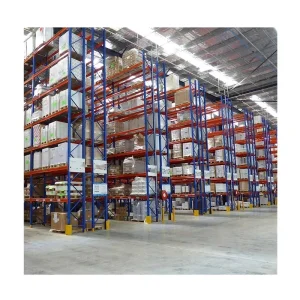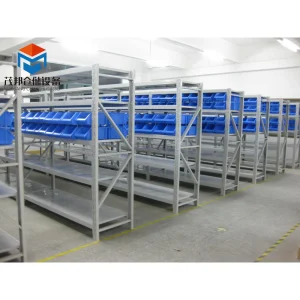

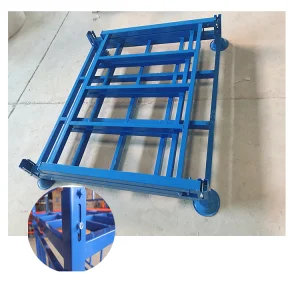
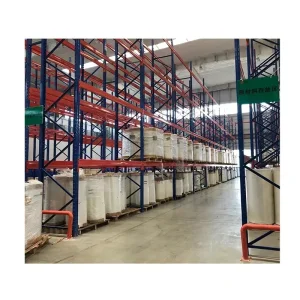
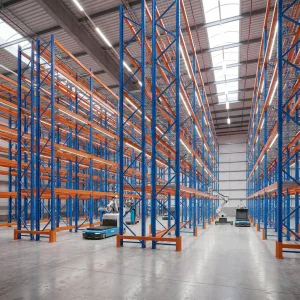
Global warehouse footprints are shrinking in metropolitan areas, driving the adoption of Ultra High-Density systems. Warehouse designs are shifting towards structures exceeding 12 meters in height, demanding extremely tight structural tolerances, high-yield steel beams, and zero-deflection uprights to safely handle loads at extreme elevations.
Traditional static pallet racking is rapidly adapting to support automated storage and retrieval systems (AS/RS), automated guided vehicles (AGVs), and radio shuttle carts. This transformation requires precise dimensional manufacturing tolerances to ensure robotic selectors can retrieve inventory with millimeter-level accuracy.
With stringent global building regulations, modern heavy-duty racking must comply with region-specific structural parameters. Procurement teams now require full finite element analysis (FEA) models confirming safety compliance under regional seismic and ground acceleration conditions.
Information Gain Insight: The incorporation of high-strength, low-alloy (HSLA) steel grades like Q355B allows for lighter overall structural weight while simultaneously increasing vertical weight bearing limits by up to 25% compared to legacy Q235B cold-rolled profiles. This innovation significantly lowers global freight costs per bay while improving structural safety factors.
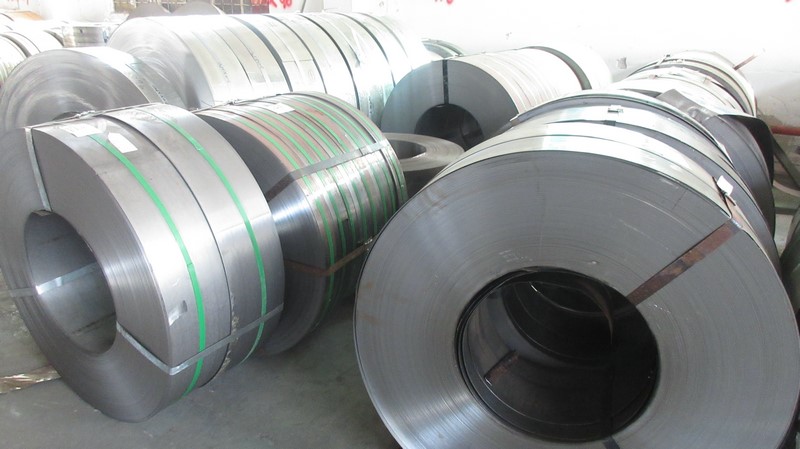
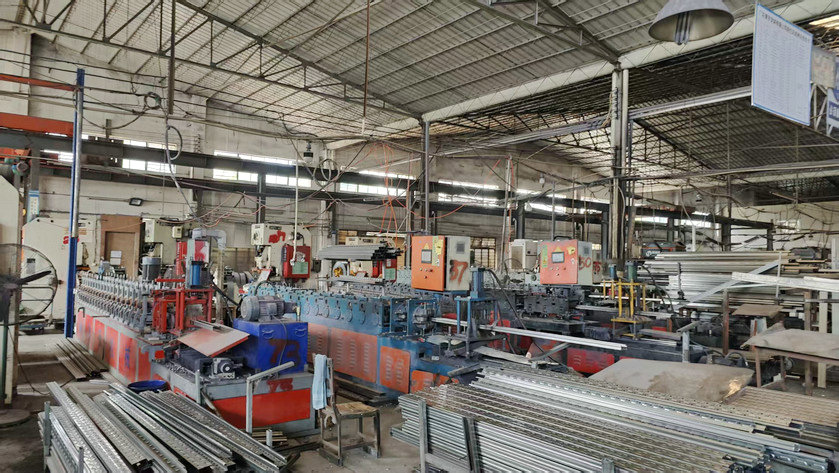
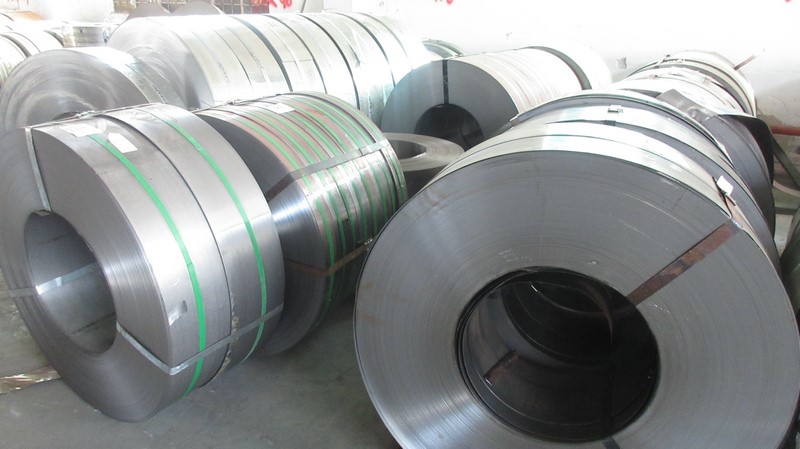
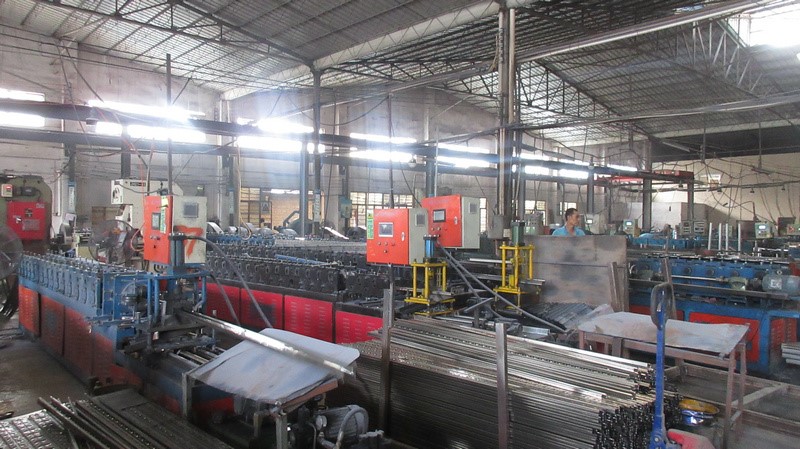
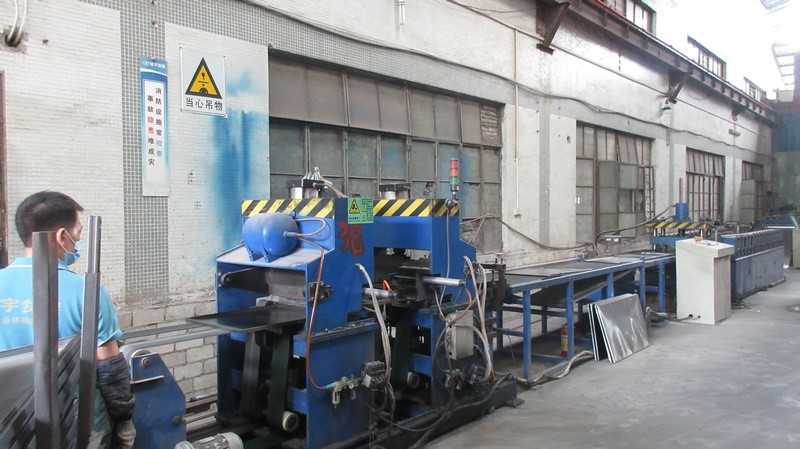
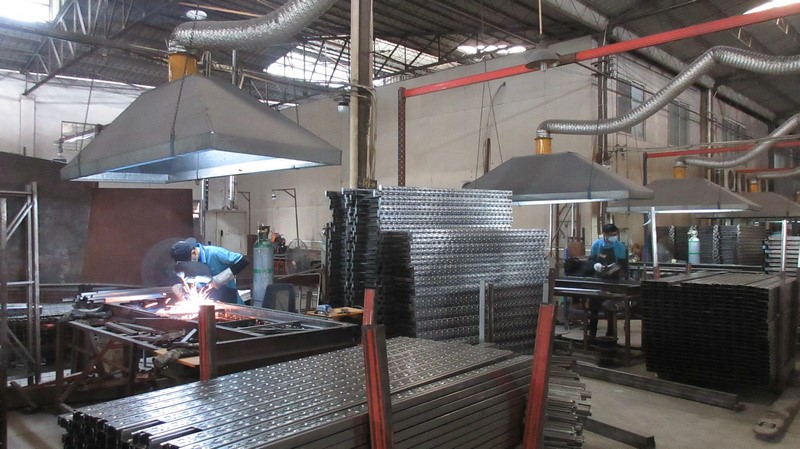
Ensure your supplier utilizes certified structural steel with verifiable mill test certificates (MTC). For heavy load applications (1,000kg to 5,000kg per level), high-grade cold-rolled steel coils matching Q235B or Q355B (equivalent to ASTM A1011 or EN 10025 standards) must be used to guarantee expected yield strengths under static load conditions.
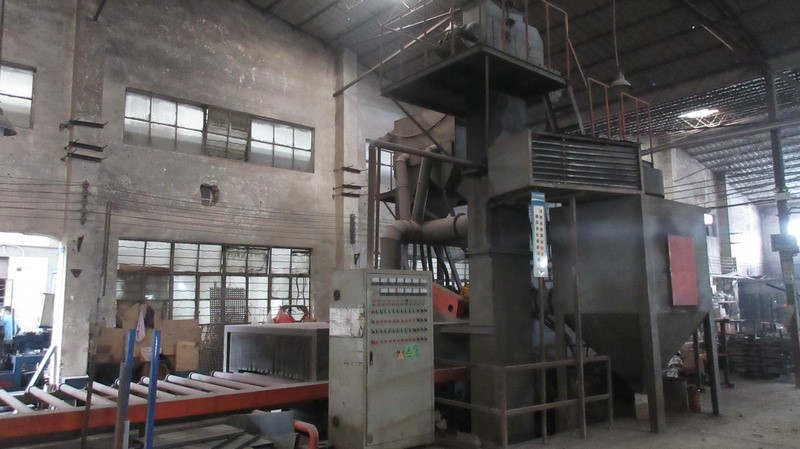
Racking operating in humid climates, chemical plants, or cold chain environments requires specialized corrosion prevention. Standard dry storage racks must feature an electrostatic thermo-hardened epoxy powder coating with a minimum thickness of 60 to 80 microns. Outdoor or cold-storage configurations require hot-dip galvanization to ISO 1461 specifications.
Evaluate the beam-to-upright connection profile. A minimum of a 3-hook or 4-hook connector tab with an integrated safety pin locking system is necessary to prevent accidental beam displacement from forklift impact forces. Upright frames should also integrate seismic base plates and anchor bolts tailored to the warehouse floor's slab design.
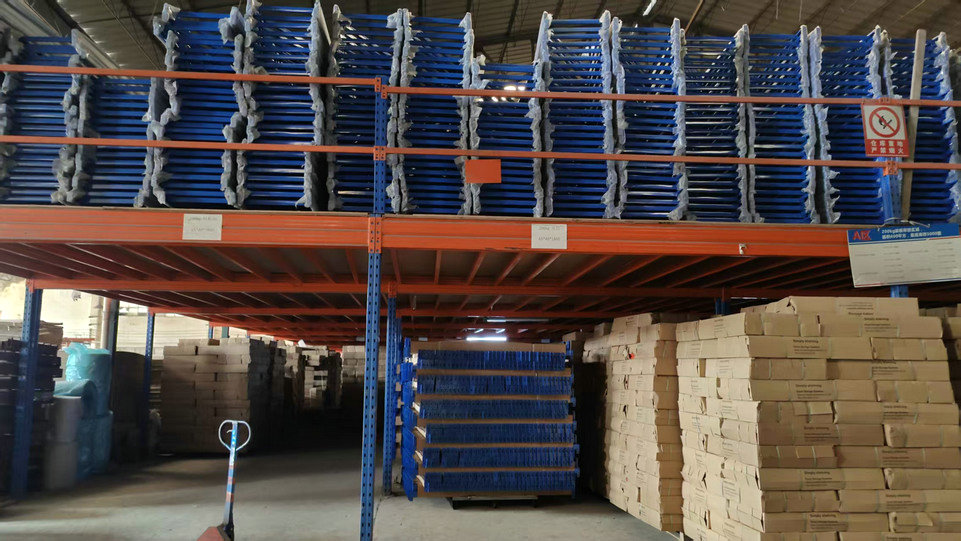
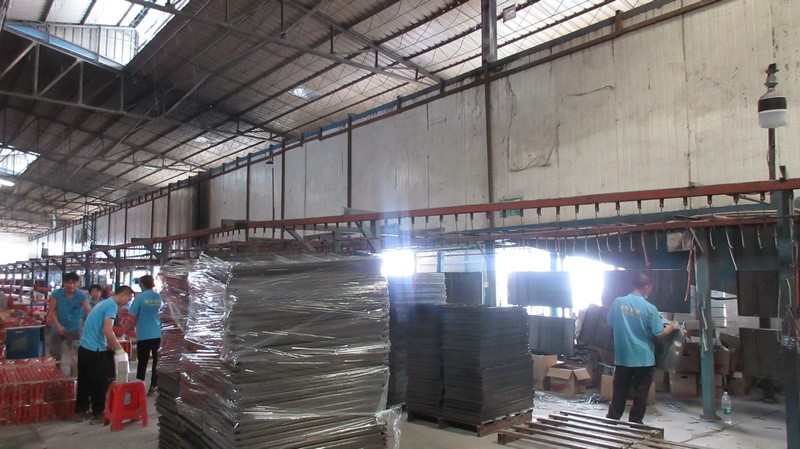
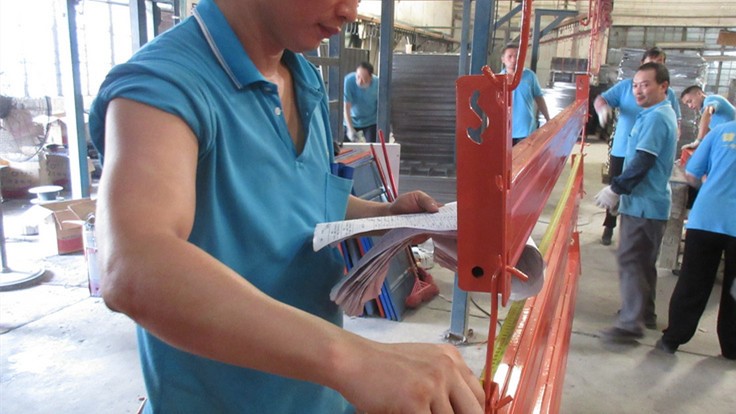
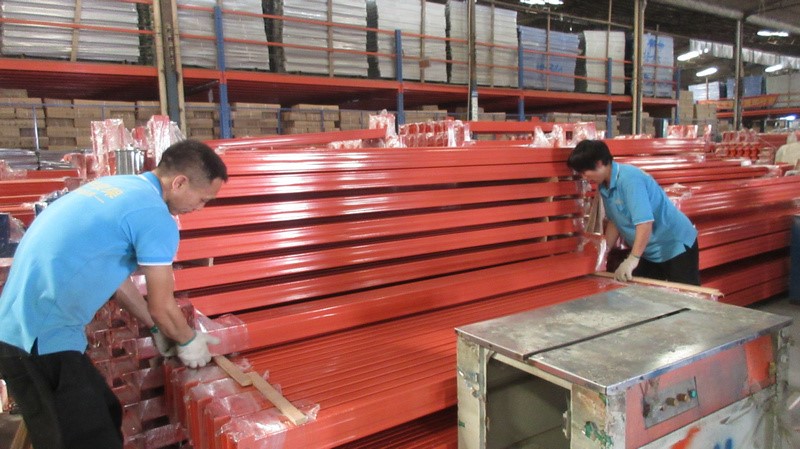
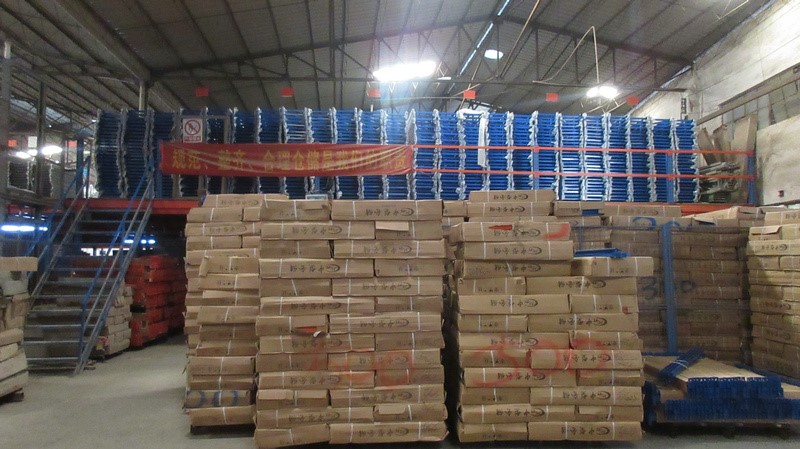
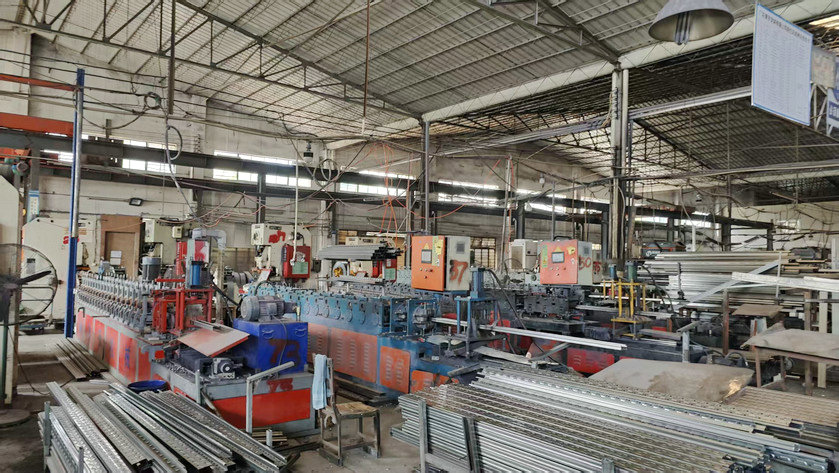
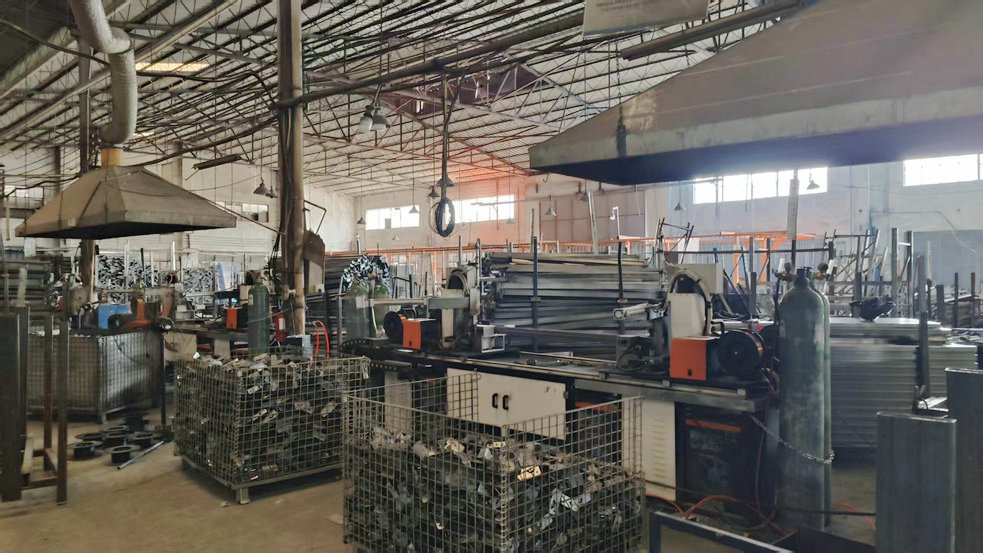
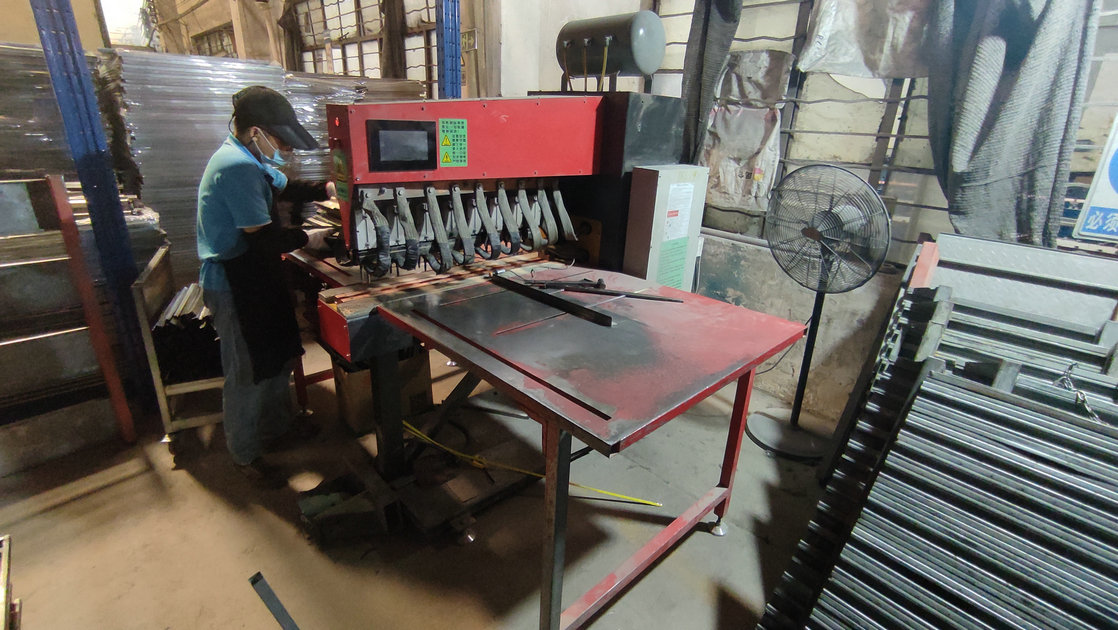
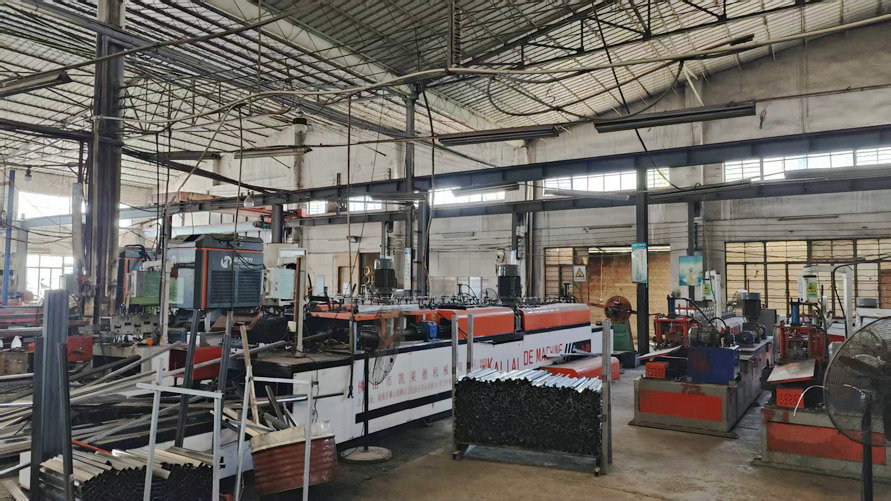
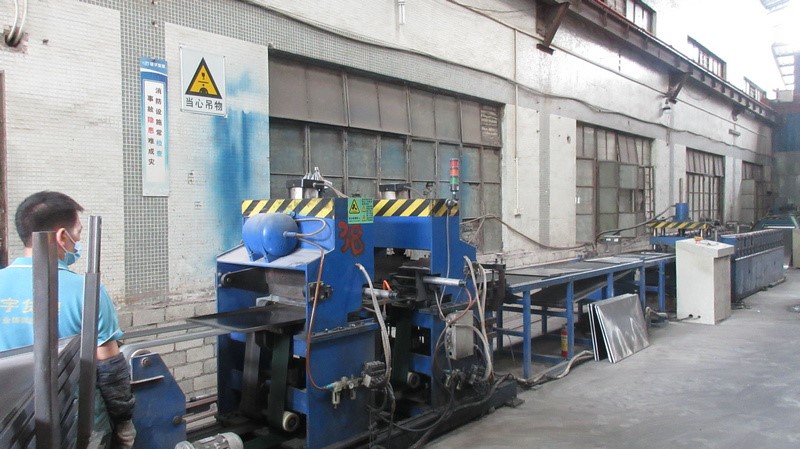
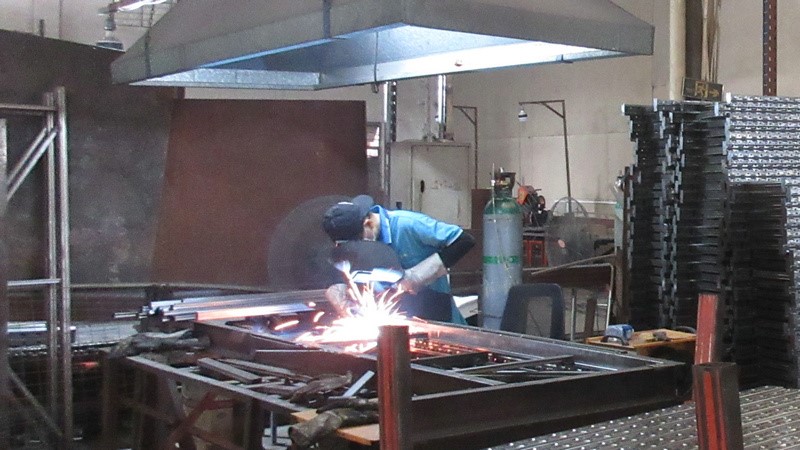
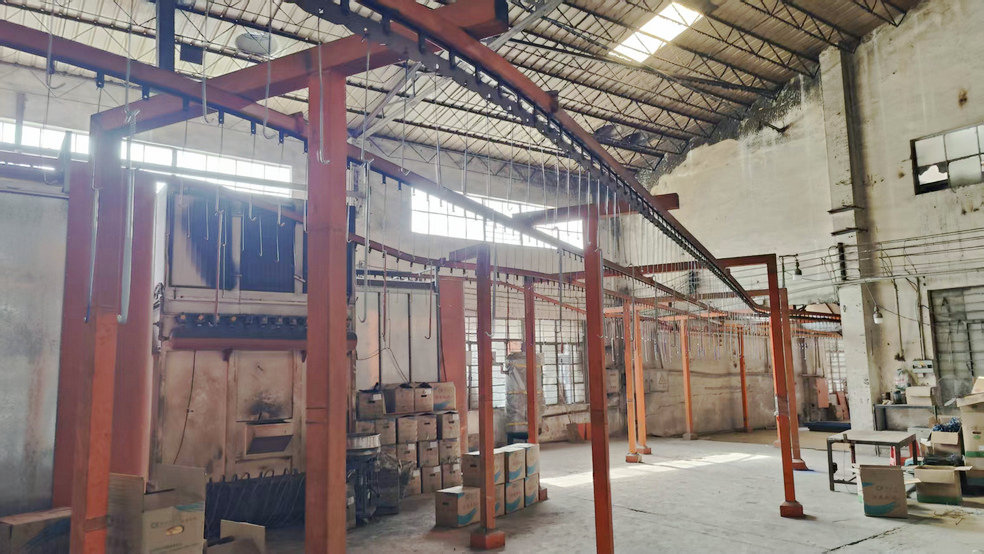
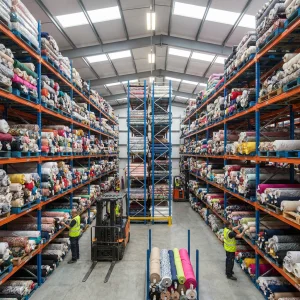
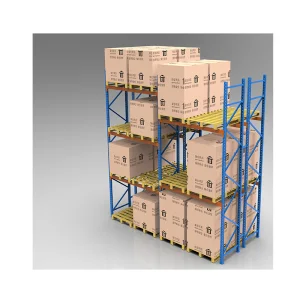
Fast-moving consumer goods (FMCG) and multi-channel fulfillment operations require maximum access to individual pallets, high throughput speeds, and adaptable configurations. Selective pallet racking systems and double-deep designs provide the required adaptability, allowing fast adjustments to shelf heights as inventory volumes fluctuate.
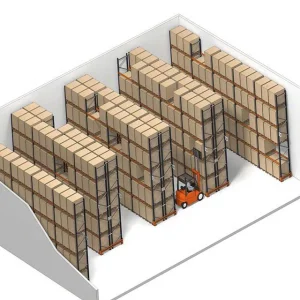
Operational costs per square foot in cold storage facilities are extremely high, demanding maximum space utilization. Drive-in systems, push-back racking, and semi-automated shuttle systems condense space requirements by reducing forklift access aisles. Steel components are specifically treated to prevent structural embrittlement at sub-zero temperatures down to -30°C.
Storing heavy molds, coils, sheet metal, and automotive components requires robust load capacities. Our industrial racking systems are designed with thick upright frames and heavy-duty box beams to prevent structural sagging, with capacity ratings ranging from 2,000kg to over 5,000kg per shelf level.
US Structural Steel Racking Standards
European Steel Static Storage Standards
Australian Steel Storage Racking Code
Certified Quality Management Systems

 Maobang Storage