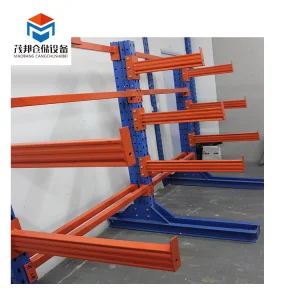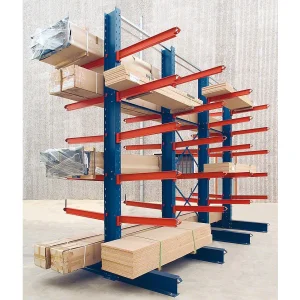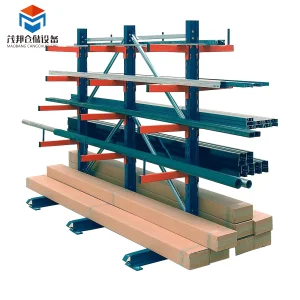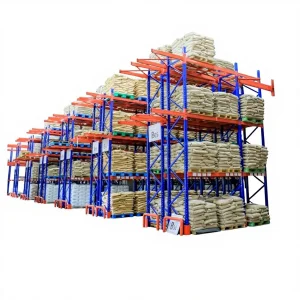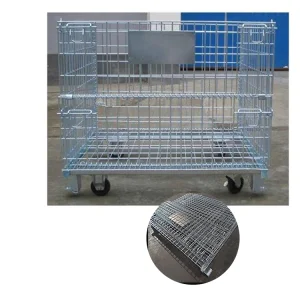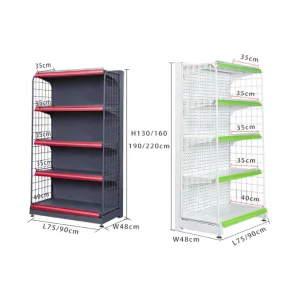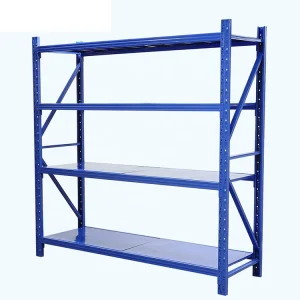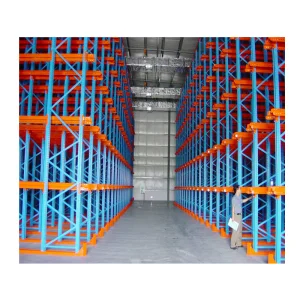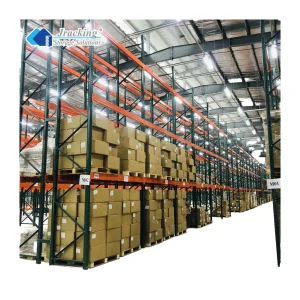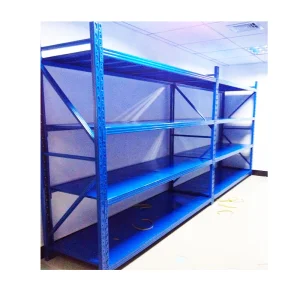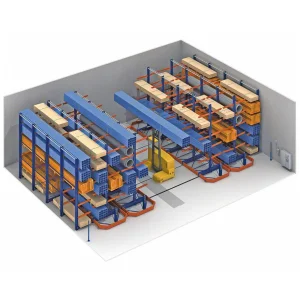
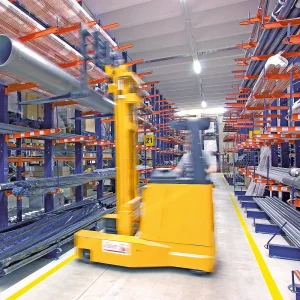
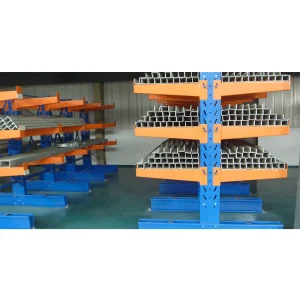
As South America's most stable and trade-oriented economy, Chile represents a critical market for high-performance cantilever racking systems. The nation's industrial backbone—comprising the world-leading copper mining sector in the North, the vast forestry and timber industries in the South (Biobío and Araucanía), and the central logistics hubs near San Antonio and Valparaíso—demands storage solutions that go beyond standard shelving.
In the Chilean context, "Storage" is not just about space; it is about seismic resilience. Chile is one of the most seismically active regions globally. Any cantilever rack manufacturer serving this market must adhere to rigorous structural standards (such as NCh 2369) to ensure that heavy loads of steel pipes, copper cathodes, or treated timber remain secure during tectonic events. Our engineering team specializes in high-ductility steel structures designed to absorb kinetic energy, protecting both assets and personnel.
Globally, the cantilever racking industry is undergoing a transition from "Passive Hardware" to "Integrated Assets." Modern factories are no longer just buying steel; they are investing in Density Optimization. With global industrial land prices rising by 14% annually, the ability to store long, awkward, or non-palletized items vertically is no longer a luxury—it is a competitive necessity.
The 2024-2030 technical roadmap for global racking focuses on Hybrid Systems—integrating Cantilever structures with Automated Storage and Retrieval Systems (ASRS). This is particularly relevant for Chile's massive copper exports, where automated handling of heavy, uniform loads can reduce operational costs by up to 30%.
Guangdong Maobang Storage Equipment Co., Ltd. is not merely a manufacturer; we are architects of industrial efficiency. Founded in 2016, our journey has been defined by a relentless pursuit of Information Gain—providing our clients with data-backed storage strategies rather than just raw materials.
With a massive 18,500㎡ factory footprint, we have optimized our production lines to serve the specific needs of South American trade corridors. Our 85-member R&D team focuses on the structural nuances of cantilever design, ensuring that every arm, column, and base exceeds international safety benchmarks.
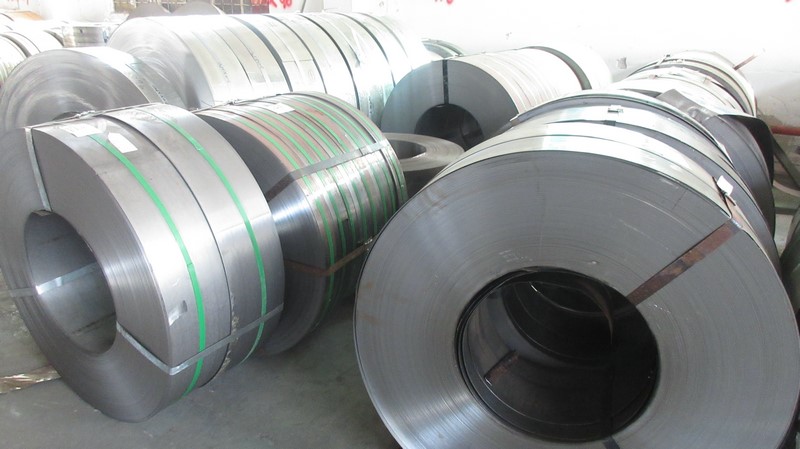
Raw Material Selection
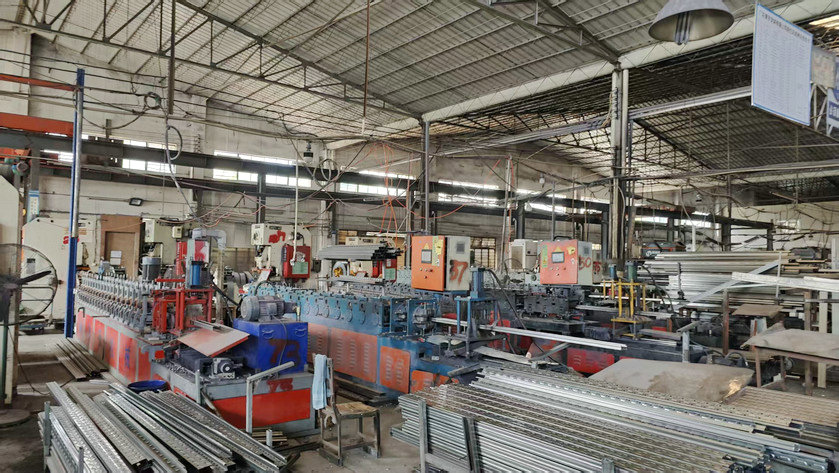
Precision Cutting
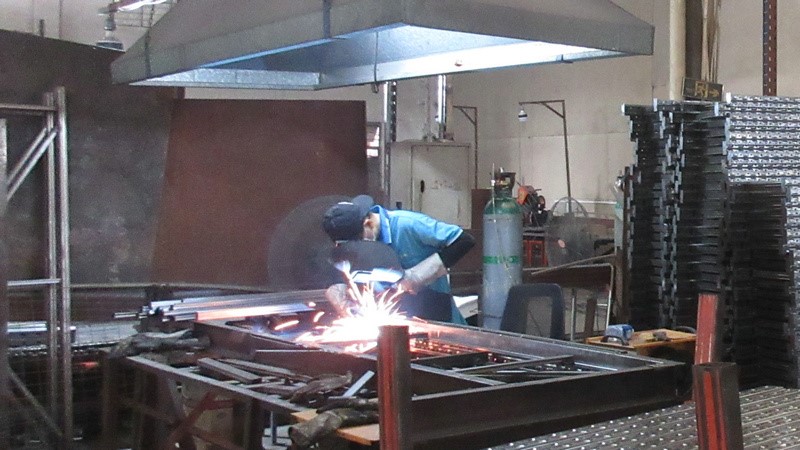
Robotic Welding
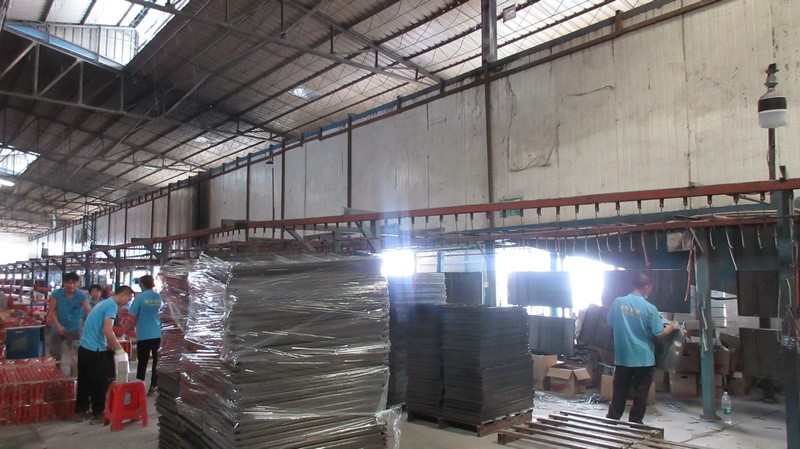
Advanced Spraying
Our quality control protocol is an industry gold standard. Every batch of steel undergoes tensile strength testing before it enters the production floor. Our 45 professional inspectors utilize ultrasonic weld testing and laser-guided coating thickness measurements to ensure that racks deployed in Chile's coastal regions (exposed to high salinity) possess superior corrosion resistance.
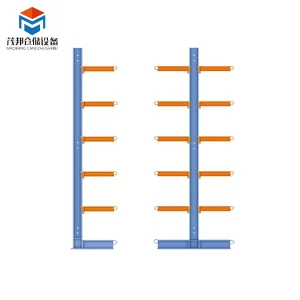
Cantilever racks are essential for items that are long, bulky, or uniquely shaped, such as copper pipes, timber, or sheet metal. Unlike pallet racks, they have no front columns to interfere with the placement or retrieval of items, allowing for side-loading by forklifts.
We use Q355 high-strength steel and design custom baseplates and bracing systems that meet NCh 2369 standards. Our engineering team performs structural simulations to ensure the rack can withstand Chile's specific seismic peak ground accelerations.
Production usually takes 15-20 days depending on the customization level. Sea freight from our Guangdong factory to Chilean ports typically ranges from 30 to 45 days. We provide all necessary documentation for smooth Chilean customs clearance.
Yes. For facilities located near the ocean, we highly recommend our hot-dip galvanized finish, which provides a thick layer of zinc protection, preventing rust even in high-humidity and high-salinity environments.
Consult with our senior engineers for a free layout design and seismic safety analysis.
Request a Fast Quote Now Maobang Storage